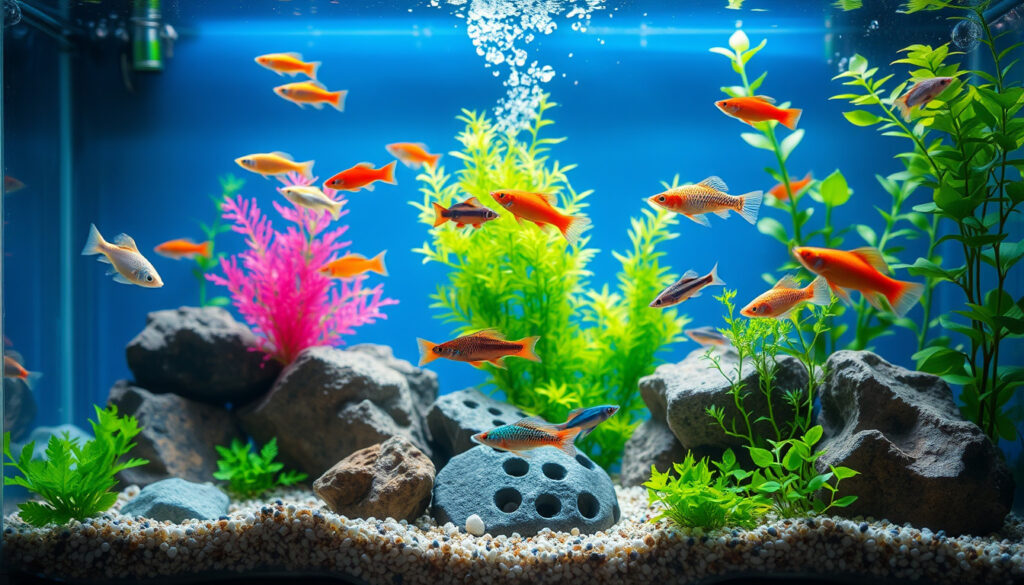
Best Aquarium Fish for Beginners – Top 10 Hardy Species
Starting an aquarium can feel overwhelming, but selecting the right fish makes all the difference. Hardy, low-maintenance freshwater species allow new aquarists to learn the fundamentals without constant worry about water fluctuations or complex care routines. These fish tolerate beginner mistakes, adapt to standard community tank setups, and bring color and activity to any living space.
The most recommended species for beginners share several qualities: they withstand temperature variations, accept commercially prepared foods, coexist peacefully with other community fish, and breed readily under proper conditions. Understanding which fish fit these criteria helps new hobbyists avoid common pitfalls while building confidence in their new pursuit.
This guide covers ten species consistently praised across aquarium resources for their resilience and forgiving nature. Each recommendation includes specific tank requirements, compatibility notes, and care expectations to help readers make informed decisions before purchasing their first fish.
What Are the Best Aquarium Fish for Beginners?
Guppy
10 Gallons
Easy
$2–15
Several species stand out for their exceptional hardiness and beginner-friendly characteristics. According to multiple aquarium care resources, Zebra Danios rank among the toughest options available, often described as “virtually indestructible” due to their tolerance for cooler water temperatures and varied conditions.
- Zebra Danios and Guppies top recommendations for first-time aquarists seeking forgiving species
- Most beginner-appropriate fish tolerate pH ranges between 6.0 and 7.8 without adverse effects
- Schooling species like Neon Tetras and Corydoras Catfish benefit from group keeping, which reduces stress significantly
- Livebearing fish such as Guppies, Platies, Mollies, and Swordtails breed readily, requiring minimal intervention
- Betta Fish thrive alone but adapt well to species-only tanks with minimal equipment
- Bottom-dwelling species including Bristlenose Plecos help control algae while occupying often-unused tank space
- Cherry Barbs add striking red coloration to planted aquariums while remaining peaceful community residents
For a 10-gallon tank, Zebra Danios, Guppies, or Neon Tetras work best. Larger tanks of 20 gallons open options for Mollies, Swordtails, and Bristlenose Plecos. Always research specific species requirements before purchasing.
| Species | Min Tank Size | Temperament | Group Size | Max Size | Key Pros |
|---|---|---|---|---|---|
| Zebra Danios | 10 gallons | Peaceful, active schooling | 6+ | 2 inches | Extremely hardy, tolerates cool water, low maintenance |
| Guppies | 10 gallons | Peaceful, social | 3+ (more females) | 2 inches | Colorful, easy to breed/feed, adaptable |
| Betta Fish | 5 gallons | Aggressive to other Bettas | Solo | ~3 inches | Hardy, personality-filled, simple feeding |
| Platies | 10 gallons | Peaceful | 3+ | ~2 inches | Hardy, colorful, community-friendly |
| Mollies | 20 gallons | Peaceful | 3+ | ~3 inches | Salt-tolerant, robust, easy diet |
| Neon Tetras | 10 gallons | Peaceful schooling | 6+ | ~1.5 inches | Bright colors, easy flakes, long-lived (up to 10 years) |
| Cherry Barbs | 15-20 gallons | Peaceful | 5-6+ | 2 inches | Hardy, red hues, planted tank lovers |
| Corydoras Catfish | 15-20 gallons | Very peaceful bottom-dweller | 5-6+ | 2-3 inches | Algae help, social, forgiving |
| Swordtails | 20 gallons | Peaceful | 3+ | ~4 inches | Active, hardy, community ok |
| Bristlenose Pleco | 20 gallons | Peaceful algae eater | 1+ | ~5 inches | Low waste, manageable size |
Why These Species Work Well for New Aquarists
Each recommended fish handles water parameter variations better than sensitive species. Zebra Danios thrive in temperatures as low as the mid-60s Fahrenheit, reducing heater requirements. Guppies accept virtually any commercially prepared food without dietary issues. Betta Fish possess an labyrinth organ allowing them to breathe atmospheric air, providing extra resilience during oxygen-depleted conditions.
The availability of these species through local pet stores and online retailers means replacement fish remain accessible if losses occur during the learning process. Their relatively low cost—typically $2 to $15 per fish—keeps initial investments manageable while hobbyists develop their skills.
What Tank Size and Setup Do Beginners Need?
Tank selection significantly impacts beginner success. Resources across multiple aquarium care platforms recommend starting with 10 to 20 gallons for community tanks. Larger volumes provide more stable water parameters because temperature and chemistry change more gradually than in smaller setups. Smaller tanks under 5 gallons require more frequent monitoring and offer less margin for error. Those new to the hobby may find detailed beginner fish guides helpful when planning their first purchase.
Essential Equipment Requirements
A functioning aquarium needs several core components working together. The filter removes debris and maintains beneficial bacteria colonies that break down harmful ammonia. The heater maintains consistent temperatures for tropical species, typically between 72°F and 82°F depending on the species. Substrate provides surface area for beneficial bacteria and plant root systems. Live plants offer hiding spots that reduce stress for shy fish like Neon Tetras and Cherry Barbs.
Cold-water species like White Cloud Minnows thrive in temperatures above 60°F without heater equipment, making them suitable for unheated setups in cooler environments. Most tropical beginners still benefit from reliable heating to maintain stable conditions.
Understanding the Nitrogen Cycle
New tanks require a process called cycling before fish introduction. This establishes beneficial bacteria colonies that convert toxic ammonia into less harmful substances. Cycling takes four to six weeks using beneficial bacteria products available at aquarium retailers. Rushing this process commonly causes fish losses among inexperienced aquarists.
After adding fish, acclimation matters significantly. Float bagged fish in the tank for fifteen to twenty minutes to match temperatures, then slowly add small amounts of tank water to the bag over another fifteen minutes. Dim lighting during the first 48 hours reduces stress as fish adjust to their new environment.
Water Parameters That Matter Most
Temperature ranges vary by species but generally fall between 72°F and 81°F. Most beginner fish tolerate slight variations without problems. The pH scale measures water acidity, with most species comfortable between 6.0 and 7.8. Neon Tetras prefer slightly more acidic conditions in the 5.5 to 7.0 range. Water hardness affects mineral content, with Mollies tolerating higher mineral concentrations and even brackish conditions.
Weekly water changes of approximately 25% maintain water quality by removing accumulated nitrates and replenishing essential minerals. Testing water weekly helps identify problems before they harm fish. Ammonia and nitrite should remain at zero ppm, while nitrate should stay below 20 ppm for optimal health. Understanding these parameters becomes easier when learning about the nitrogen cycle from established aquarium resources.
Which Beginner Fish Can Live Together Peacefully?
Compatibility planning prevents aggression problems and stress-related illness. All ten recommended species work well in community tanks except Betta Fish, which require solitary housing or carefully selected tankmates. Male Bettas particularly display aggression toward other males and similarly colored fish, making species-only tanks the safest choice for beginners.
Schooling Fish and Group Requirements
Species like Zebra Danios, Neon Tetras, Cherry Barbs, and Corydoras Catfish experience significant stress without adequate group numbers. Danios need at least six individuals, while Tetras, Barbs, and Corydoras benefit from groups of five or six or more. Schooling fish left in small numbers may hide constantly, lose coloration, or become susceptible to disease.
Avoid pairing fin-nipping species like Tiger Barbs with long-finned fish such as Male Bettas or Guppies. Research temperaments carefully before combining species, as fin damage leads to infection and death in many cases.
Building a Balanced Community Tank
Effective community tanks utilize different aquarium zones. Mid-dwelling fish like Guppies, Platies, and Swordtails occupy the water column. Bottom-dwellers such as Corydoras Catfish and Bristlenose Plecos clean substrate and glass surfaces. Surface feeders like Bettas appreciate open swimming areas with minimal surface agitation.
Combining peaceful species from different zones creates visual interest while maximizing tank space. A well-balanced 20-gallon setup might include six Neon Tetras, six Corydoras Catfish, and a single male Betta. This combination provides activity at multiple levels while maintaining peaceful coexistence. Hobbyists often consult community tank compatibility charts when planning their setups.
What Care Routine Should Beginners Follow?
Consistent maintenance prevents most beginner health problems. Weekly tasks include testing water parameters, performing 25% water changes, and checking equipment function. Monthly tasks involve vacuuming substrate, trimming plants if present, and inspecting fish for signs of illness.
Feeding Practices for Hardy Species
Most beginner fish thrive on quality flake or pellet foods supplemented occasionally with frozen or live treats. Feed only what fish consume within two minutes, once or twice daily. Overfeeding causes the majority of beginner aquarium problems, polluting water and promoting harmful bacteria growth.
Guppies and Mollies accept virtually any food, making them excellent choices for those uncertain about dietary requirements. Bottom-dwellers like Corydoras benefit from sinking pellets that reach them before being consumed by surface-feeding fish. Variety improves nutrition—rotating between flakes, pellets, and occasional protein sources like brine shrimp keeps fish healthy and vibrant.
Recognizing and Preventing Common Issues
Quarantining new fish for two to four weeks before adding them to established tanks prevents disease introduction. Many illnesses lie dormant until stressors activate them, making prevention more effective than treatment in most cases. Experienced aquarists recommend setting up a quarantine tank as part of responsible fish keeping practices.
Livebearing species including Guppies, Platies, Mollies, and Swordtails breed readily in community tanks. Without population control plans, tanks become overcrowded quickly. Options include separating gravid females, rehoming fry, or maintaining single-sex groups.
Your First 30 Days: A Setup Timeline
Following a structured approach reduces mistakes during the critical first month. The timeline below outlines essential milestones from tank setup through full stocking.
- Days 1-2: Set up tank, install equipment, add substrate and decorations, fill with dechlorinated water
- Days 3-4: Add plants if desired, install and test heater and filter function, verify temperature stability
- Week 1-4: Cycle tank using beneficial bacteria supplements, test parameters regularly to monitor progress
- Week 5: Begin adding fish gradually—start with a small initial group (2-4 hardy individuals)
- Weeks 6-7: Monitor water parameters closely, perform weekly 25% water changes, observe fish behavior
- Week 8+: Add remaining planned fish species, maintain consistent routine, enjoy your established aquarium
What We Know Versus What Remains Uncertain
Several aspects of beginner fish care are well-established through hobby experience and veterinary research. Disease resistance varies significantly by species, with Zebra Danios and Guppies demonstrating exceptional resilience compared to more sensitive species. The nitrogen cycle requirements are thoroughly documented and universally recommended across credible sources.
- All ten recommended species tolerate beginner-level water parameter variations
- Tank cycling takes 4-6 weeks minimum for stable biological filtration
- Overfeeding causes most common beginner health problems
- Schooling species require group sizes of 5-6+ individuals
- Water changes of 25% weekly maintain water quality effectively
- Long-term health impacts of specific commercial food brands vary by manufacturer
- Precise stress thresholds differ individually even within the same species
- Disease resistance claims lack comprehensive scientific validation across all sources
- Breeding success rates depend heavily on individual fish genetics not visible at purchase
Why Hardy Fish Matter for New Hobbyists
Beginner-friendly species serve a practical purpose beyond simple aesthetics. They allow new aquarists to develop husbandry skills without catastrophic losses that discourage continued involvement in the hobby. The forgiving nature of species like Zebra Danios and Guppies means occasional water testing oversights, minor temperature fluctuations, or feeding inconsistencies rarely result in fish deaths.
These resilient species also help new tank ecosystems mature more reliably. Hardy fish produce waste that feeds beneficial bacteria development, while their environmental tolerance prevents die-offs that would crash newly established cycles. Starting with difficult species often leads to repeated failures that frustrate beginners and increase abandonment rates.
The aquarium hobby continues growing as people seek low-cost, sustainable pastimes suitable for apartments and smaller living spaces. According to aquarium care resources, interest in beginner-friendly setups remains strong into 2026, with hardy freshwater species leading recommendations for those starting their first tanks. Community forums like Practical Fishkeeping regularly feature discussions on optimal species selection for newcomers.
Expert Perspectives on Beginner Fish Selection
Aquarium care communities consistently emphasize matching fish selection to lifestyle and commitment levels rather than choosing purely based on appearance. Resources from veterinary and extension sources provide additional guidance on fish health considerations for those seeking professional input.
Starting with hardy species builds confidence and practical knowledge. Understanding water chemistry, equipment maintenance, and fish behavior becomes easier when initial fish tolerate the learning curve inevitable for new aquarists.
Beginner fish should forgive inconsistent care without immediate consequences. Species that show clear distress signals when conditions deteriorate give new hobbyists time to identify and correct problems before losses occur.
Moving Forward With Your Aquarium
Selecting appropriate fish represents just the beginning of the aquarium-keeping journey. Successful beginners research thoroughly before purchasing, set up equipment correctly before adding any fish, and maintain consistent routines thereafter. Starting with hardy species from the recommendations above provides the best foundation for developing skills that enable keeping more challenging species later.
For additional guidance on starting your first aquarium, consult resources covering best freshwater fish for beginner aquariums and detailed care requirements for specific species.
Frequently Asked Questions
How much do beginner aquarium fish cost?
Prices range from $2-5 for schooling fish like Danios and Tetras to $5-15 for individual specimens like Bettas and Bristlenose Plecos. Initial tank setups cost $100-300 for a 10-20 gallon system including essential equipment.
What fish should beginners avoid?
Avoid sensitive species requiring precise water conditions, aggressive fish that require separate housing, and fish that grow too large for beginner tank sizes. Cichlids, marine fish, and delicate species like Discus generally require advanced husbandry skills.
What size tank do beginners actually need?
A minimum of 10 gallons works for small groups of Zebra Danios, Guppies, or Neon Tetras. Twenty gallons provides more stability and allows keeping larger species like Mollies, Swordtails, or Bristlenose Plecos.
How often should beginner fish be fed?
Feed once or twice daily, providing only what fish consume within two minutes. Many beginners overfeed, which pollutes water and causes health problems. Fasting one day per week helps digestion and clears waste systems.
Can different beginner fish live together?
Most recommended species coexist peacefully in community tanks. The main exception involves male Betta Fish, which should remain solitary or be housed with carefully selected tankmates. Always research specific compatibility before combining species.
Do beginner fish need a heater?
Most beginner fish require tropical temperatures of 72-82°F, necessitating a heater. Cold-water alternatives like White Cloud Minnows thrive above 60°F without heating, but these represent a smaller portion of beginner-friendly options.
How long does it take to set up a beginner aquarium?
Tank setup itself takes a few hours. However, the nitrogen cycle requires 4-6 weeks before adding fish. Rushing this process commonly causes losses and ecosystem crashes.
What maintenance do beginner aquariums require?
Weekly tasks include 25% water changes, water parameter testing, and equipment inspection. Monthly tasks involve substrate vacuuming, plant trimming, and general health observation of fish.
More related posts
 Cast of Breaking Bad: Full List of Actors and Characters
 The Dubliners Grace Lyrics: Meaning, Story & History
 Juventus vs Galatasaray Lineups: Champions League 2026
 Suzuki Swift for Sale: What Irish Buyers Need to Know
 Things to Do in Dublin This Weekend: Culture, Food & Outdoors
 Real Madrid vs Athletic Club: All-Time Record & El Viejo Clásico
 Marks and Spencers Dublin: Grafton and Mary Street Guide
 How Many Days Till Easter 2027? Countdown & Facts