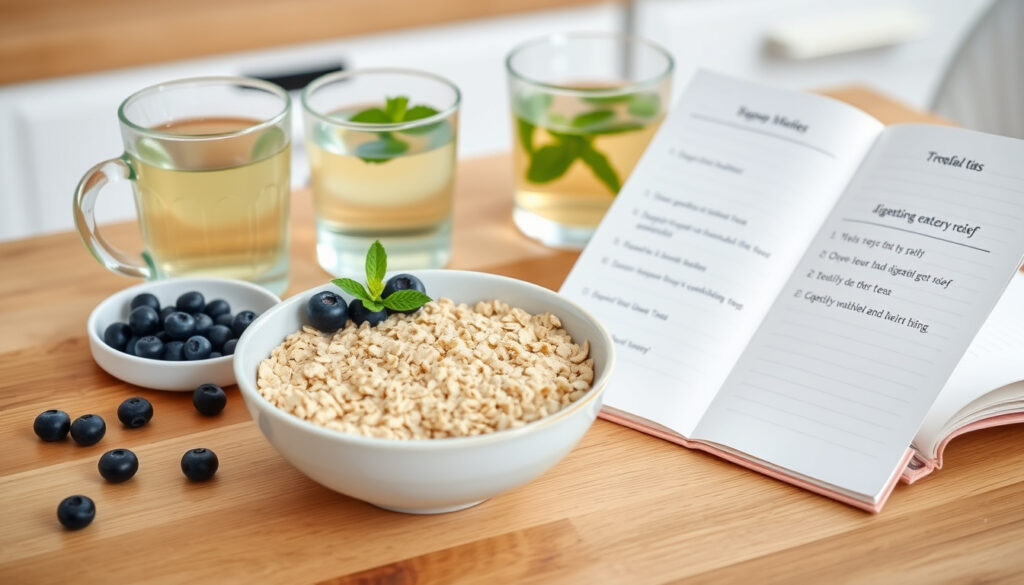
Irritable Bowel Syndrome Symptoms: Guide to Relief & Diet
Few things derail your day like a sudden wave of abdominal pain, bloating, or a desperate need to find a bathroom. For roughly 1 in 10 people, that discomfort is a regular feature of life with irritable bowel syndrome (IBS). According to NICE (UK National Institute for Health and Care Excellence), IBS is a chronic functional gastrointestinal disorder with no visible structural damage, and diagnosis relies on the Rome IV criteria—abdominal pain at least one day per week linked to changes in bowel habits. This guide walks through the symptoms that define IBS, how they differ from more serious conditions like inflammatory bowel disease (IBD) and bowel cancer, and what dietary strategies—including the low-FODMAP approach—can offer real relief.
Global prevalence: 10–15% of the population ·
Common symptoms: Abdominal pain, bloating, diarrhea, constipation ·
Onset age: Often before age 50 ·
Gender ratio: Women affected ~2× more than men
Quick snapshot
- Abdominal pain or cramping (MedlinePlus)
- Bloating and gas (NICE)
- Diarrhea or constipation (or alternating) (MedlinePlus)
- Urgent need to pass stool (NICE)
- Mucus in stool (NICE)
- Fatigue (NICE)
- IBS-D (diarrhea-predominant) (MedlinePlus)
- IBS-C (constipation-predominant) (MedlinePlus)
- IBS-M (mixed bowel habits) (MedlinePlus)
- Garlic, onions, wheat, rye, apples, pears (Cleveland Clinic)
- Milk, yogurt (lactose), ice cream (Cleveland Clinic)
- Legumes, cashews, pistachios (Cleveland Clinic)
- Honey, high-fructose corn syrup (Cleveland Clinic)
- Bananas, blueberries, strawberries (Cleveland Clinic)
- Carrots, spinach, zucchini (Cleveland Clinic)
- Lactose-free dairy, hard cheeses (Cleveland Clinic)
- Meat, fish, eggs, tofu (Cleveland Clinic)
Four key facts that define IBS at a glance, drawn from NICE and MedlinePlus.
| Attribute | Value |
|---|---|
| Prevalence | 10–15% globally (MedlinePlus) |
| Typical age at diagnosis | 20–40 years (NICE) |
| Female predominance | 2:1 female-to-male ratio (NICE) |
| Key diagnostic criterion | Rome IV: abdominal pain ≥1 day/week + ≥2 of: related to defecation, change in stool frequency, or stool form (NICE) |
What is irritable bowel syndrome (IBS)?
IBS is a chronic functional gastrointestinal disorder, meaning the bowel looks normal on standard tests but doesn’t function properly. The NICE (UK National Institute for Health and Care Excellence) guideline considers IBS when abdominal pain or discomfort has persisted for at least six months and is associated with altered bowel frequency or stool form. There is no structural damage, which distinguishes it from inflammatory bowel disease (IBD) and bowel cancer.
Key symptoms of IBS
- Abdominal pain or cramping, often relieved by passing stool (MedlinePlus (U.S. National Library of Medicine))
- Bloating and excess gas, more common in women per NICE (NICE)
- Diarrhea, constipation, or alternating habits (MedlinePlus)
- Urgent need to pass stool or feeling of incomplete evacuation (NICE)
- Mucus in stool (NICE)
- Fatigue, nausea, and bladder symptoms (supportive features) (NICE)
These symptoms overlap heavily with IBD and bowel cancer. The critical difference: IBS does not involve inflammation or visible tissue damage — but you cannot rely on symptoms alone to tell them apart.
Types of IBS: IBS‑D, IBS‑C, IBS‑M
- IBS‑D (diarrhea‑predominant): loose, frequent stools (MedlinePlus)
- IBS‑C (constipation‑predominant): hard, infrequent stools (MedlinePlus)
- IBS‑M (mixed): alternates between diarrhea and constipation (MedlinePlus)
The pattern matters for treatment. IBS‑C, for instance, often responds to different medications than IBS‑D does.
How IBS is diagnosed
No single test confirms IBS. Doctors use symptom criteria (Rome IV) and exclude other conditions through blood tests, inflammatory markers like ESR/CRP, and coeliac antibody screens. Invasive tests like colonoscopy are not routine when red flags are absent.
The NICE baseline assessment tool lists supporting features: altered stool passage, bloating, symptoms worsened by eating, and mucus passage — at least two should be present. Red flags that prompt further investigation include unexplained weight loss, rectal bleeding, a family history of bowel or ovarian cancer, and a persistent change to looser stools for more than six weeks in a person over 60 (NICE quality standard).
What are the treatment options for IBS‑C?
Over‑the‑counter and prescription medications
- Fiber supplements (psyllium) can help regulate bowel movements (NICE)
- Laxatives like polyethylene glycol may be used short‑term (NICE)
- Lubiprostone (Amitiza) and linaclotide (Constella) are prescription options for IBS‑C (NICE)
- Antispasmodics can reduce abdominal pain (MedlinePlus)
Lifestyle and dietary changes
- Regular exercise improves bowel function and reduces stress (HealthPartners (healthcare system))
- Stress management techniques (CBT, relaxing) are recommended (NICE)
- A low‑FODMAP dietary approach can alleviate symptoms for 50–80% of patients (Cleveland Clinic)
When to see a specialist
You should be referred to a gastroenterologist if you have red‑flag symptoms (unexplained weight loss, rectal bleeding, anaemia, fever, nocturnal symptoms, persistent diarrhea) or if your symptoms do not respond to initial management after six months (NICE quality standard).
The implication: For IBS‑C, the treatment ladder starts with gentle fibre and lifestyle adjustments before moving to prescription drugs. The low‑FODMAP diet is a powerful trial — but it is not intended to be followed long‑term without professional guidance.
What is a good diet for people with IBS?
Can I eat bread on a FODMAP diet?
- Sourdough spelt bread and gluten‑free bread are generally low in FODMAPs (Cleveland Clinic)
- Standard wheat bread is high in fructans and should be avoided during the elimination phase (Cleveland Clinic)
What’s the best ice cream for IBS?
- Lactose‑free ice cream made with coconut or almond milk is better tolerated (Cleveland Clinic)
- Sorbet (without high‑FODMAP fruit like mango or pear) is another safe option (Cleveland Clinic)
Which fruit is the lowest FODMAP?
- Bananas (ripe), blueberries, strawberries, and oranges are low in FODMAPs (Cleveland Clinic)
- Apples, pears, and watermelon are high and should be avoided during elimination (Cleveland Clinic)
The trade‑off: The low‑FODMAP diet reduces fermentable carbohydrates that trigger gas and bloating, but it is a diagnostic‑management trial — not a permanent eating plan. After 4‑6 weeks of restriction, foods are systematically reintroduced to identify personal triggers.
What this means: The low‑FODMAP diet is a structured clinical tool, not a lifestyle trend, and works best under professional guidance.
What does FODMAP stand for?
What is the most common FODMAP trigger?
FODMAP is an acronym for Fermentable Oligosaccharides, Disaccharides, Monosaccharides And Polyols — short‑chain carbohydrates that are poorly absorbed in the small intestine and rapidly fermented by gut bacteria. According to Cleveland Clinic, the most common triggers are:
- Fructans (wheat, onions, garlic)
- Lactose (milk, soft cheeses)
- Fructose (apples, pears, honey)
- Polyols (stone fruits, mushrooms, sugar‑free gum)
Are scrambled eggs high in FODMAP?
- No. Eggs are naturally low in FODMAPs (Cleveland Clinic)
- Most meats, fish, and tofu are also low‑FODMAP (Cleveland Clinic)
The pattern: Once you know the FODMAP families, you can pinpoint the foods most likely to trigger your flare‑ups — and that knowledge is the key to long‑term control.
What are the worst FODMAP foods to avoid?
What are the 10 highest FODMAP foods?
- Garlic (Cleveland Clinic)
- Onions (Cleveland Clinic)
- Wheat (Cleveland Clinic)
- Rye (Cleveland Clinic)
- Beans (kidney, chickpeas) (Cleveland Clinic)
- Apples (Cleveland Clinic)
- Pears (Cleveland Clinic)
- Milk (lactose) (Cleveland Clinic)
- Honey (Cleveland Clinic)
- Cashews (Cleveland Clinic)
What are the 10 worst foods for IBS?
The same high‑FODMAP foods tend to top the list, but certain non‑FODMAP triggers also affect people with IBS. According to AboutIBS.org (specialist nonprofit), beyond garlic and onion, many people react to caffeine, alcohol, spicy foods, and high‑fat meals. The low‑FODMAP elimination phase typically removes the foods above, then systematically tests them one by one to identify personal triggers.
The “worst foods” list is individual. A blanket avoidance list is a starting point, not a lifetime sentence. The goal is to identify your own FODMAP threshold and maintain as varied a diet as possible.
What we know and what we don’t
What we know
- IBS is a functional disorder without visible structural damage (NICE)
- A low‑FODMAP diet improves symptoms in about 50–80% of patients (Cleveland Clinic)
- Symptoms can be chronic and intermittent (MedlinePlus)
- Red‑flag symptoms (weight loss, rectal bleeding, family history) warrant investigation for IBD or cancer (NICE quality standard)
What remains unclear
- Exact cause of IBS: gut‑brain axis dysfunction, but specific mechanism not fully understood
- Long‑term effectiveness of low‑FODMAP diet beyond 3–6 months (Cleveland Clinic)
- Role of gut microbiota in triggering symptoms: associations exist, but causation is unproven (MedlinePlus)
The bottom line: Our understanding of IBS is incomplete, which is why symptom monitoring and structured dietary trials are so valuable.
What experts say about IBS symptoms
“Your GP will ask about your symptoms, such as: what symptoms you have; if they come and go; how often you get them; when you get them…”
“It can cause bouts of stomach cramps, bloating, diarrhoea and/or constipation.”
“Typically, these include intermittent abdominal pain accompanied by diarrhea, constipation, or alternating episodes of both.”
“IBS symptoms that are common in both women and men: Bloating, constipation or diarrhea, excess gas, fatigue.”
These quotations highlight a consistent picture: IBS symptoms cluster around pain, bloating, and bowel habit changes, but each source emphasises that the diagnosis is one of exclusion.
For anyone in the UK or Ireland, the message from these authorities is clear: if you have persistent gut symptoms, see your GP. Don’t self‑diagnose. The difference between IBS, IBD, and bowel cancer can be subtle, and the red‑flag symptoms require prompt investigation.
aboutibs.org, healthdirect.gov.au, my.clevelandclinic.org, monashfodmap.com, nice.org.uk
Frequently Asked Questions
Can stress cause IBS?
The gut‑brain axis plays a central role. Stress does not cause IBS, but it can trigger or worsen flare‑ups. The NICE guideline recommends stress management as part of treatment.
Is irritable bowel syndrome hereditary?
There is evidence of familial clustering. A family history of IBS increases your risk, but no single gene has been identified (MedlinePlus).
What is the difference between IBS and IBD?
IBS is a functional disorder with no visible inflammation. IBD (Crohn’s disease, ulcerative colitis) involves chronic inflammation and tissue damage (NICE). Symptoms overlap, but IBD typically presents with more severe pain, fever, and blood in stool.
Does IBS increase the risk of colon cancer?
No. IBS does not raise the risk of colorectal cancer. However, symptoms can mimic early colon cancer, so any red‑flag symptoms must be investigated (NICE quality standard).
What are the first signs of an IBS flare?
Typical signs include a sudden increase in abdominal cramping, bloating, and a change in bowel habits (diarrhea or constipation). Some people experience a sense of urgency and incomplete emptying (MedlinePlus).
Can exercise help IBS symptoms?
Yes. Moderate aerobic exercise can improve bowel function and reduce bloating and anxiety. The HealthPartners guidance notes that exercise is part of a holistic symptom management plan.
Is a gluten‑free diet recommended for IBS?
Gluten itself is not a FODMAP, but many gluten‑containing foods (wheat, rye, barley) are high in fructans. A gluten‑free diet may help if you are sensitive to fructans, but a true gluten‑free diet is not required — low‑FODMAP alternatives like sourdough spelt bread are often well‑tolerated (Cleveland Clinic).
More related posts
 Complete Cast List of The Office UK: Main Actors and Characters
 Surron Type E-Bike: 68 MPH Speed & Classification
 The Grey Cat in Reykjavík, Iceland: Not a Bar, But a Breakfast Café
 Social Welfare Phone Number Ireland: Contact the DSP
 Merlin Park Hospital Departments: A Guide to Galway Units
 The 4 of Us: Original Members, Songs, Albums, Tours
 PS5 Black Friday Deals 2025: Best Prices & Where to Buy
 HubSpot Discount Voucher Guide: How to Get & Create Codes