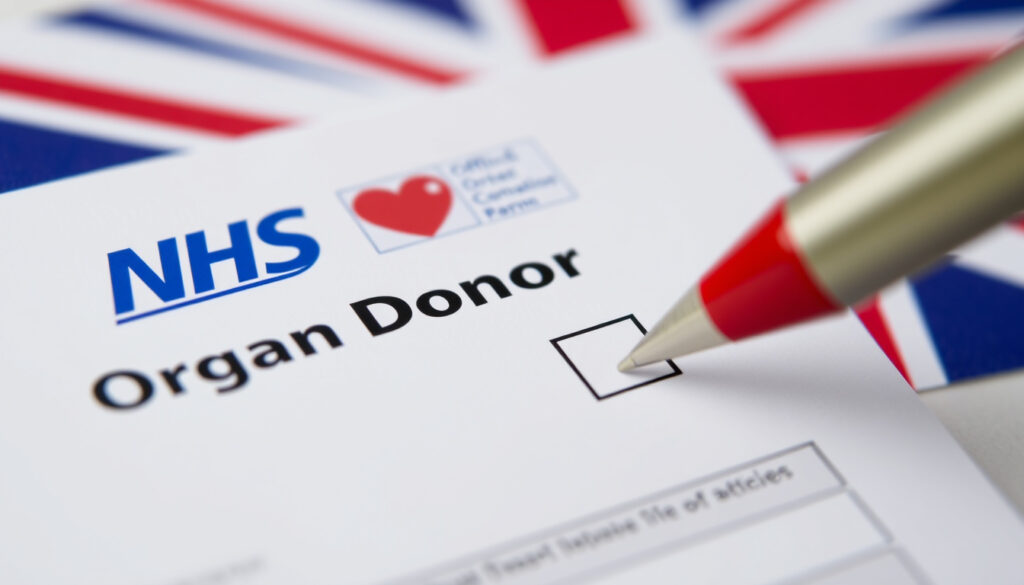
How to Opt Out of Organ Donation in the UK: A Guide
Opting out of organ donation in the UK is your right, and it takes only a few minutes. Importantly, even under the opt-out system, your family will always be consulted before any donation proceeds. This guide walks through the official process, clarifies how the system works, and explains the regional variations across England, Wales, Scotland, and Northern Ireland.
The UK’s “soft opt-out” approach means adults are presumed willing to donate unless they record otherwise. That presumption, however, comes with safeguards. Specialist nurses speak to families in every case. Your decision remains reversible at any time.
Key Facts at a Glance
- Presumed consent (opt-out) applies to adults in England, Wales, and Scotland NHS Blood and Transplant
- England 2020, Wales 2015, Scotland 2021. Northern Ireland remains opt-in PMC NCBI
- Families consulted in every case and can object to donation NHS Blood and Transplant
- Register your decision on the NHS Organ Donor Register NHS Organ Donation
How to Opt Out of Organ Donation in the UK
How do I opt out via the NHS online portal?
Visit the NHS Organ Donor Register website and select the option to record that you do not wish to donate. The process requires your full name, date of birth, and NHS number if available. You will receive confirmation once your decision is registered.
Can I opt out by phone or post?
Yes. You can call the NHS Organ Donor Register helpline to record your opt-out decision verbally. Written requests are also accepted by post. Both methods carry the same legal weight as online registration.
What information do I need to opt out?
Have your personal details ready: full name, date of birth, and your NHS number if known. The NHS number speeds up verification but is not strictly required for all methods.
How long does opt-out registration take?
Online submissions process immediately. Postal requests may take several weeks to confirm. Telephone registrations are confirmed during the call. Your decision takes effect as soon as the register is updated.
Can I manage my decision through the NHS App?
Yes. The NHS App allows you to view and update your organ donation decision under your profile settings. Select “Organ donation decision” to change your status at any time NHS App help.
Your opt-out decision is not permanent. You can reverse it at any time through the same channels—online, by phone, or via the NHS App. No consequences apply to changes of mind.
Understanding Opt-Out Organ Donation: The Basics
What is presumed consent?
Presumed consent means the law assumes an adult is willing to donate organs after death unless they have explicitly recorded otherwise. Under this framework, inactivity does not prevent donation—but the system includes safeguards that prevent automatic removal.
How does opt out differ from opt in?
In an opt-in system, individuals must register their willingness to donate. In an opt-out system, willingness is presumed unless recorded otherwise. Both systems in the UK involve family consultation before any donation proceeds. The key difference lies in what happens when someone has not registered any decision.
When did the UK adopt opt out?
Wales was first in December 2015. England followed on 20 May 2020 under the Organ Donation (Deemed Consent) Act 2019, commonly known as Max and Keira’s Law. Scotland implemented its system on 26 March 2021 through the Human Tissue (Authorisation) Act 2019.
The UK uses a “soft” opt-out, not a “hard” one. A hard opt-out would remove all family involvement. A soft opt-out preserves the right of next of kin to object, regardless of what the register shows. Specialist nurses discuss donation with families in every case.
Family Role and Override Rights Under Opt-Out
Do families still have a say under opt out?
Absolutely. Specialist nurses from NHS Blood and Transplant always speak to families before any donation proceeds, even when the deceased is on the donor register or recorded as willing to donate. Families can object regardless of what the register shows. Their wishes carry significant weight in the decision-making process.
What if I never registered any decision?
In England, if you are over 18, not in an excluded group, and have not recorded a decision, you may be treated as having consented under deemed consent. However, your family will be consulted and can object. In Scotland, the same applies to those aged 16 and over. Northern Ireland requires express consent, so no decision means no donation Organ Donation Northern Ireland.
What happens during the specialist nurse consultation?
A trained specialist nurse will approach the family, explain the situation, and discuss the deceased’s known wishes. They will answer questions, provide support, and respect whatever the family decides. No organ is removed without this conversation.
Opt-out does not mean automatic organ removal. No donation proceeds without family consultation. This protection exists in all UK regions operating under the soft opt-out model.
Opt-Out Laws Across UK Regions
Differences between England, Wales, and Scotland
The three nations share the soft opt-out principle but differ in implementation dates and some details. Wales has operated under opt-out since December 2015. England launched its system in May 2020. Scotland began in March 2021.
Minimum ages vary slightly: 18 in England and Wales, 16 in Scotland. Scotland’s system also provides additional provisions to respect faith, beliefs, and cultural background in the authorisation process Organ Donation Scotland.
Northern Ireland status
Northern Ireland continues to use an opt-in system requiring express consent. Adults in Northern Ireland must actively register their willingness to donate on the NHS Organ Donor Register. No deemed consent applies.
| Region | Legislation | Implementation Date | System Type |
|---|---|---|---|
| England | Organ Donation (Deemed Consent) Act 2019 | 20 May 2020 | Soft opt-out |
| Wales | Human Transplantation Act 2013 (as amended) | 1 December 2015 | Soft opt-out |
| Scotland | Human Tissue (Authorisation) Act 2019 | 26 March 2021 | Soft opt-out |
| Northern Ireland | None (retained opt-in) | N/A | Opt-in (express consent) |
Opt-Out Organ Donation: International Comparison
Which countries use presumed consent?
Several European nations operate opt-out systems. Spain, widely regarded as the global model for organ donation, uses presumed consent and consistently achieves the world’s highest donation rates. Austria, Belgium, France, and several Scandinavian countries also operate opt-out models.
Spain’s donation success
Spain’s Organización Nacional de Trasplantes manages the system that has made the country a world leader in post-mortem organ donation for over three decades. The Spanish model combines presumed consent with a network of trained transplant coordinators embedded in hospitals.
While opt-out systems correlate with higher donation rates in some countries, experts note that multiple factors influence outcomes—including hospital infrastructure, staff training, and public trust in the medical system.
Timeline of Key Events
- 1978: First national organ donor register established in the UK.
- 2013: Wales passes soft opt-out legislation.
- 1 December 2015: Wales becomes the first UK nation to implement opt-out.
- 2019: England passes Organ Donation (Deemed Consent) Act; Scotland passes Human Tissue (Authorisation) Act.
- 20 May 2020: England implements soft opt-out system.
- 26 March 2021: Scotland implements soft opt-out system.
What is Clear and What Remains Uncertain
- England, Wales, and Scotland use soft opt-out with family consultation guaranteed (NHS Blood and Transplant)
- Northern Ireland uses opt-in requiring express consent (NHS Blood and Transplant)
- Minimum age is 18 (England/Wales) and 16 (Scotland) (NHS Blood and Transplant)
- Decision is reversible at any time via NHS Organ Donor Register (NHS Blood and Transplant)
- Specialist nurses always consult families before donation proceeds (NHS Blood and Transplant)
- Exact donation rate increases attributable to opt-out in each UK nation (NHS Blood and Transplant)
- Precise figures on family objection rates under deemed consent (NHS Blood and Transplant)
- Whether additional legislative changes are planned for Northern Ireland (NHS Blood and Transplant)
- Current waiting list numbers and trend analysis (NHS Blood and Transplant)
The Bigger Picture: Autonomy and the Opt-Out Debate
The shift toward presumed consent reflects a policy judgment that organ shortages constitute a public health crisis. Thousands of people in the UK die each year waiting for transplants that never arrive. Opt-out systems aim to address this by reducing the barriers between potential donors and patients in need.
Critics of presumed consent raise concerns about individual autonomy—specifically, whether the state should assume consent for a deeply personal matter. Proponents counter that soft opt-out preserves choice while reducing the burden on families who must guess a deceased relative’s wishes.
The British Medical Association has published detailed analysis of both positions, noting that the UK’s soft opt-out model represents a compromise: the law presumes willingness but explicitly protects the family’s right to object. This design reflects the reality that organ donation is not merely a legal transaction but a deeply human one.
What Comes Next
Whether you choose to opt out or remain on the register, one step matters above all others: tell your family. Your registered decision provides guidance, but specialist nurses will ask your loved ones about your wishes regardless of what the record shows. That conversation removes uncertainty at a difficult time.
To check your current status, update your decision, or register an opt-out, visit the NHS Organ Donor Register. The process takes minutes and can be reversed whenever you choose.
Frequently Asked Questions
Does opt out mean organs will be taken automatically?
No. Under the soft opt-out system, specialist nurses always consult your family before any donation proceeds. Their wishes are respected regardless of what the register shows.
Can I opt out if I’m already on the donor register?
Yes. You can register your decision to opt out at any time through the NHS Organ Donor Register website, by calling the helpline, or by post. The change takes effect immediately upon processing.
Is Northern Ireland also opt out?
No. Northern Ireland maintains an opt-in system requiring express consent. You must actively register your decision to become a donor there.
What happens if I don’t opt out and don’t register?
In England, Wales, and Scotland, you may be treated as having consented under deemed consent if you are an adult not in an excluded group. However, your family will still be consulted and can object.
Can I opt back in after opting out?
Yes. Your decision is always reversible. You can change your status as many times as you wish, free of charge, through the NHS Organ Donor Register.
Who is excluded from deemed consent in England?
Certain groups are excluded from deemed consent, including visitors to the UK and those without capacity. Full details are available on the NHS Organ Donor Register website.
Does my faith or beliefs affect the opt-out process?
Scotland’s system specifically provides for faith, beliefs, and cultural background to be taken into account during the authorisation process. All UK nations respect religious and cultural sensitivities in donation discussions.
More related posts
 United Nations Interim Force in Lebanon – Mandate, History & Operations
 iPhone 5 to Buy in 2026: Price, Worth, and Where to Find One
 How Many Episodes in Stranger Things Season 5: What We Know
 St. Paul’s Credit Union: Phone, Login & Services
 215 Bus Timetable Cork: Full Route, Stops & Schedules
 Coming to America 2: Cast, Reviews, and Sequel Status (2025)
 Cobh Ramblers vs Dundalk: Prediction, Stats & Lineups
 World Book Day Ireland 2026: Date, Tokens & Details