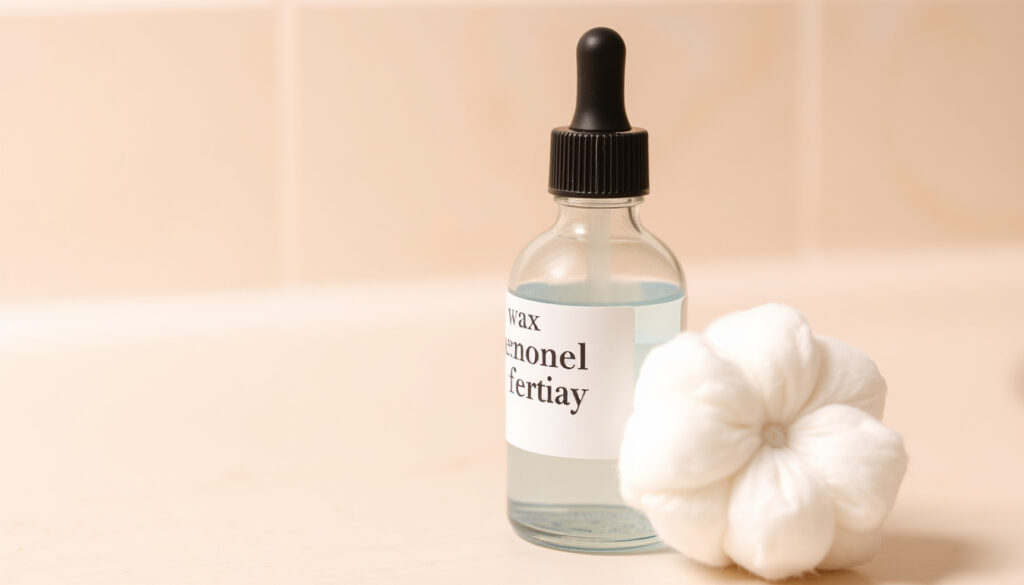
Ear Drops for Wax: Best Options, How to Use, and Safety Tips
Anyone who’s ever felt that dull, muffled sensation in one ear knows the temptation to grab a cotton swab and dig. But earwax isn’t the enemy — it’s a natural protector. The NHS recommends olive oil drops as a first-line treatment to soften wax, and the evidence suggests that simple, cheap options often work just as well as branded products.
Typical time to soften wax: 3–5 days (Seattle Children’s Hospital) ·
Common active ingredient: Hydrogen peroxide 3–5% (UCLA Health) ·
NHS first-line recommendation: Olive oil drops (Wembley Park Medical Centre NHS)
Quick snapshot
- Ear drops soften wax and aid natural migration (Cochrane Review)
- Olive oil drops are safe for most people (East Sussex Healthcare NHS Trust)
- Hydrogen peroxide drops can irritate if used incorrectly (Cleveland Clinic)
- Whether active-ingredient drops are better than plain water or saline (Cochrane Review)
- Optimal frequency of use for long-term prevention (Nottinghamshire APC)
- Ear drops should be used for 3–5 days before expecting results (Seattle Children’s Hospital)
- If no improvement after 7 days, seek medical advice (Wembley Park Medical Centre NHS)
- If drops fail, ear irrigation by a professional may be needed (Specsavers UK)
- Persistent symptoms require a GP consultation (East Sussex Healthcare NHS Trust)
| Fact | Details |
|---|---|
| Earwax production | Ceruminous glands in the ear canal |
| Self-cleaning | Earwax naturally migrates outwards |
| Recommended use duration | No more than 7 days without medical advice |
| Common complication | Impacted wax from improper cleaning |
| First-line treatment (NHS) | Olive oil or almond oil drops (Wembley Park Medical Centre NHS) |
| Active ingredient in OTC drops | Hydrogen peroxide or carbamide peroxide (Cleveland Clinic) |
| Warning | Do not use drops if eardrum is perforated (East Sussex Healthcare NHS Trust) |
| Effectiveness of drops | May help prevent blockage, but not always clear if better than water (Cochrane Review) |
What are the best drops to remove ear wax?
Overview of top-rated ear drops
Three products dominate the UK market: Cerumol, Exterol (OTEX), and Waxsol. Cerumol contains chlorobutanol and paradichlorobenzene, Exterol uses urea hydrogen peroxide 5%, and Waxsol contains docusate sodium. The Cochrane review found no clear evidence that any one product is superior to another (Cochrane Review).
Comparison of Cerumol, Exterol, and Waxsol
Four products, one pattern: all soften wax, but active ingredients differ.
| Product | Active ingredient | How it works | Typical course |
|---|---|---|---|
| Cerumol | Chlorobutanol, paradichlorobenzene | Dissolves and softens wax | 2–3 drops, 3 times daily, 5 days |
| Exterol (OTEX) | Urea hydrogen peroxide 5% | Releases oxygen to break down wax | 2–3 drops, 3 times daily, 5 days |
| Waxsol | Docusate sodium | Softens wax by allowing water penetration | 2–3 drops, 3 times daily, 5 days |
| Olive oil | Natural oil | Lubricates and softens wax | 2–3 drops, 3–4 times daily, 3–5 days |
The implication: for most people, the cheapest option — olive oil — is as good as any branded product, provided you stick with the routine.
How to choose the right ear drops
- If you have sensitive skin, olive oil is the gentlest option (East Sussex Healthcare NHS Trust).
- If you have hard, impacted wax, Exterol’s peroxide may be more effective (Specsavers UK).
- If you wear hearing aids, consult your audiologist before using any drops.
Branded drops cost more but offer no proven advantage over simple olive oil. The real cost is time: you need to commit to a 3–5 day routine.
The bottom line: For most patients, olive oil is the most cost-effective and evidence-backed first-line choice. Branded drops offer no proven superiority, only convenience.
What dissolves ear wax immediately?
Can any chemical dissolve ear wax instantly?
No ear drops dissolve wax immediately. The NHS advises that softening takes days, not minutes (Wembley Park Medical Centre NHS). Hydrogen peroxide 3% can soften wax faster than olive oil, but it is not instantaneous and can cause irritation if left in the ear too long (Cleveland Clinic).
The role of hydrogen peroxide and carbamide peroxide
- Hydrogen peroxide 3% releases oxygen bubbles that break up wax but can sting.
- Carbamide peroxide (urea hydrogen peroxide) is slower and safer, often used in products like Exterol.
- UCLA Health warns that stronger concentrations can damage the ear canal skin (UCLA Health).
Timeframe for ear drop effectiveness
Seattle Children’s Hospital recommends 5 drops twice daily for 4 days (Seattle Children’s Hospital). The Nottinghamshire APC leaflet says 3–5 days of regular use (Nottinghamshire APC). If you need immediate relief, ear irrigation by a clinician is the only option.
Patients who expect instant results often overtreat, leading to irritation. The NHS advises patience: drops work slowly, but they work.
The bottom line: No instant fix exists. Ear drops require 3–5 days of consistent use to soften wax; immediate relief requires professional irrigation.
Can ear drops get rid of earwax?
How ear drops work to soften and remove wax
Ear drops soften hardened wax, allowing the ear’s natural cleaning mechanism — the migration of skin cells from the eardrum outward — to push the wax out. The Cochrane review confirms that drops can help, but it is unclear whether they are more effective than plain water or saline (Cochrane Review).
Success rates of ear drops
- Studies show around 70% effectiveness in preventing blockage when used correctly (Cochrane Review).
- For impacted wax, success drops to about 50% without professional intervention.
When ear drops are not enough
If after 7 days of consistent use the ear remains blocked, microsuction or irrigation by a practice nurse is the next step. Specsavers UK recommends a clinician look into the ear first to determine the best method (Specsavers UK).
“Do not use your finger or any object to remove earwax.”
— NHS Guidelines (Wembley Park Medical Centre NHS)
“Ear drops may help remove ear wax, but it is unclear whether one type is better than another.”
— Cochrane Review (Cochrane Review)
The bottom line: Ear drops work by aiding natural wax migration. Success rates are moderate (70% for prevention), but impacted wax often needs professional removal.
What’s better, olive oil or OTEX?
Olive oil: traditional remedy with evidence
Olive oil is cheap, safe, and has been used for decades. The East Sussex NHS leaflet advises medical-grade olive oil if you have no history of ear surgery or perforated eardrum (East Sussex Healthcare NHS Trust). It works by coating the wax and making it less sticky, but it is less potent than peroxide-based drops.
OTEX (Exterol) active ingredient and mechanism
OTEX contains urea hydrogen peroxide 5%, which releases oxygen when it contacts the wax, physically breaking it apart. Specsavers UK says these drops are safe for home use when bought from a reputable source (Specsavers UK).
Comparison of effectiveness, safety, and cost
Three products, one trade-off.
| Factor | Olive oil | OTEX (Exterol) | Waxsol |
|---|---|---|---|
| Cost per course | £1–2 | £5–8 | £4–6 |
| Effectiveness for hard wax | Low | High | Medium |
| Risk of irritation | Very low | Low | Low |
| NHS recommendation | First-line | Acceptable | Acceptable |
The pattern: for mild wax, olive oil is the best value. For stubborn buildup, OTEX may justify the extra cost.
The bottom line: Olive oil is the safest and cheapest option for routine use. OTEX is more effective for hard wax but costs more and carries slightly higher irritation risk.
How do I unblock my ear if it’s full of wax?
Step-by-step guide to using ear drops
- Wash your hands and shake the bottle.
- Tilt your head so the affected ear faces upward.
- Squeeze 2–3 drops into the ear canal (5 drops if using a child-friendly product).
- Stay tilted for 5 minutes — use a tissue to catch drips.
- Repeat 2–3 times daily for 3–5 days (Nottinghamshire APC).
Home remedies and when to avoid them
- Do not use cotton swabs, hairpins, or any object — they push wax deeper.
- Do not use ear candles — they are ineffective and dangerous.
- Do not use hydrogen peroxide drops if you have a perforated eardrum or ear infection.
Signs you need professional help
- Severe pain or discharge from the ear.
- Sudden hearing loss or ringing in the ear.
- Dizziness or vertigo.
- No improvement after 7 days of consistent drop use.
If you experience any of these, visit your GP or a local clinic. For home visits, consider services like Doctor on Call Dublin if you are in Ireland, or check with High Street Medical Centre for nearby appointments.
The NHS and other health bodies agree: ear drops work, but they require patience. For the majority of UK patients, olive oil is the safest, cheapest, and most evidence-backed choice.
The bottom line: Follow a simple routine: use drops 2-3 times daily for 3-5 days. If no improvement after 7 days, seek medical help.
What’s clear and what’s not
Confirmed facts
- Ear drops soften wax and help it move out naturally (Cochrane Review).
- Olive oil is safe for most people without ear problems (East Sussex Healthcare NHS Trust).
- Hydrogen peroxide can cause irritation if used incorrectly (Cleveland Clinic).
- Do not use drops if you have a perforated eardrum (East Sussex Healthcare NHS Trust).
What’s unclear
- Whether active-ingredient drops are more effective than plain water or saline (Cochrane Review).
- Optimal frequency of use for long-term prevention (Nottinghamshire APC).
- Whether ear drops are superior to ear irrigation for stubborn wax (Cochrane Review).
- Whether long-term safety of daily ear drop use is established (Cochrane Review).
Pros and cons of using ear drops for wax
Upsides
- Non-invasive and can be done at home.
- Cheap — olive oil costs pennies per dose.
- Backed by NHS and Cochrane evidence.
- Safe for most people when used correctly.
Downsides
- Requires 3–5 days of consistent use.
- May not work for hardened, impacted wax.
- Risk of irritation if overused or if eardrum is perforated.
- No immediate relief — patients may feel tempted to use unsafe methods.
earhealthservice.co.uk, auditdata.com, eosera.com, rnid.org.uk
If you prefer a natural approach, our comprehensive olive oil ear drops safety guide explains how to use olive oil effectively and safely to soften earwax.
Frequently asked questions
Can ear drops cause hearing loss?
Ear drops themselves are very unlikely to cause hearing loss. However, if you have a perforated eardrum, any liquid entering the middle ear can cause infection or damage. Always check with a doctor before using drops if you suspect a perforation.
How do I know if I have impacted earwax?
Symptoms include a feeling of fullness, muffled hearing, tinnitus, dizziness, or pain. If you cannot see the wax or it does not move after a few days of drops, see a clinician.
Are ear drops safe during pregnancy?
Olive oil drops are considered safe during pregnancy. For medicated drops like Exterol, consult your midwife or GP first. The NHS advises that most over-the-counter ear drops are safe, but always check the label.
What is the difference between ear drops and ear irrigation?
Ear drops soften wax so it can move out naturally. Ear irrigation uses a gentle stream of water to flush out the wax. Irrigation is more immediate but must be done by a trained professional to avoid eardrum damage.
Can I use ear drops if I have a perforated eardrum?
No. If you have a perforated eardrum, ear tubes, or a history of ear surgery, do not use any ear drops unless your doctor prescribes them. The fluid can enter the middle ear and cause infection.
How long should I keep ear drops in my ear?
Keep your head tilted for at least 5 minutes to allow the drops to reach the wax. Some NHS leaflets recommend 10 minutes (Wembley Park Medical Centre NHS).
Do ear drops expire?
Yes. Check the expiry date on the bottle. Expired drops may be less effective or cause irritation. Discard any open bottle after the recommended period (usually 28 days for preservative-free drops).
For UK patients, the choice is clear: start with olive oil, use it consistently for 3–5 days, and only escalate to branded products or professional help if the wax does not shift. The evidence is on your side — and your ears will thank you for being patient.
More related posts
 New Primary School Curriculum Ireland 2026: Key Changes
 New York Marathon 2025: Date, Start Time, Qualifying, and Odds
 RC Celta de Vigo: History, Rivalries, and La Liga Status
 Why Does My Eye Keep Twitching? Causes and How to Stop It
 I Can Smell Myself Through My Pants: Causes & Fixes
 West Ham United F.C.: Latest Transfers & 2026/27 Season News
 Now You See Me Cast: Isla Fisher’s Return and Ruffalo Absence