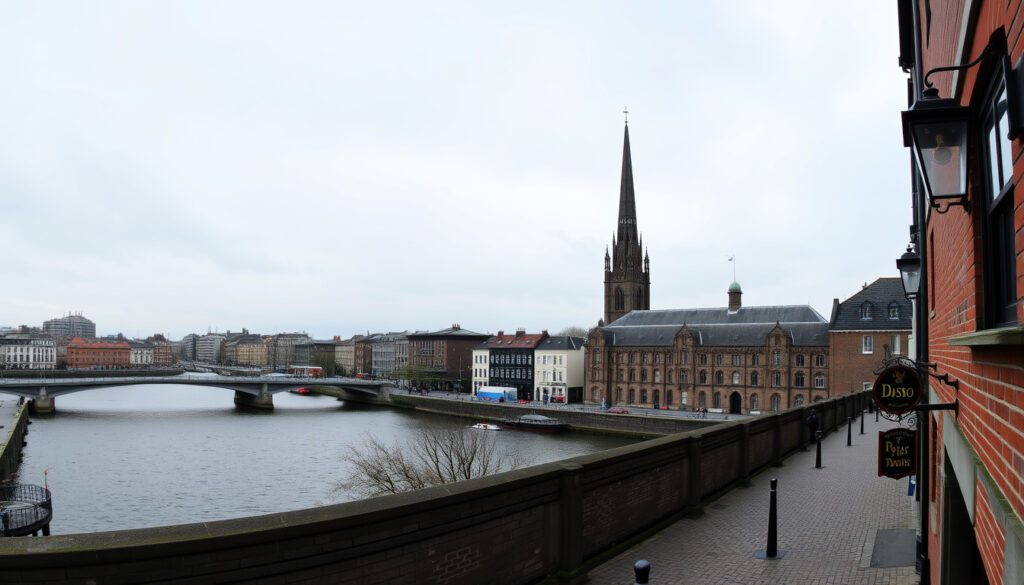
What to See in Dublin: Top Attractions, Itineraries & Local Tips
Planning a trip to Dublin usually starts with a list of bucket-list sights — the Guinness Storehouse, Trinity College, Temple Bar. But once you land, the city’s real charm often lies off that list, in quiet pubs with live trad sessions and neighborhoods where locals actually go.
Population (city): 1.2 million · Annual tourist arrivals: 5.4 million (2019) · Number of pubs: over 700 · Most visited attraction: Guinness Storehouse (1.5 million visitors/year)
Quick snapshot
- St. Patrick’s Cathedral is the largest church in Ireland (The Irish Road Trip travel guide)
- Guinness Storehouse is the most visited paid attraction in Dublin (Visit Dublin official tourism site)
- Trinity College was founded in 1592 (Wayward Blog itinerary)
- The exact origin of Irish stew is debated among food historians
- The number of pubs in Dublin is often cited as 700, but varies by source
- Trinity College founded in 1592 (The Irish Road Trip)
- Dublin Castle built in the 13th century (The Irish Road Trip)
- Brazen Head pub dates back to the 12th century (The Irish Road Trip)
- Book Kilmainham Gaol tours in advance due to demand (Wayward Blog)
- Reserve hotel three months ahead for summer (Visit Dublin)
- Consider a day trip to Howth for village vibes (The Wanderbug)
Seven key facts at a glance: this table captures Dublin’s basic stats before you dig into the details.
| Label | Value |
|---|---|
| Capital of | Ireland |
| Population (metro) | 2 million |
| Official language | Irish and English |
| Currency | Euro |
| Time zone | GMT (UTC+0), summer GMT+1 |
| Famous for | Guinness, literature, music, historic pubs |
What to do and see in Dublin?
Top 10 must-see attractions
- Trinity College – home to the Book of Kells Experience (Wayward Blog)
- Guinness Storehouse – the top paid attraction with 1.5 million annual visitors (Visit Dublin)
- Temple Bar – cultural quarter known for nightlife, but overpriced (Ireland Travel Planning)
- St. Patrick’s Cathedral – Ireland’s largest church (The Irish Road Trip)
- Dublin Castle – 13th-century castle with three architectural styles (The Irish Road Trip)
- Kilmainham Gaol – key site of Irish independence history (Wayward Blog)
- Grafton Street – premier shopping area with live buskers (Ireland Travel Planning)
- Ha’Penny Bridge – iconic pedestrian bridge over the Liffey
- St. Stephen’s Green – central park ideal for picnics (The Wanderbug)
- Phoenix Park – one of Europe’s largest city parks, home to Dublin Zoo (Tripadvisor itinerary)
Free sights and hidden gems
- National Museum of Ireland – free admission (Visit Dublin)
- National Gallery of Ireland – free entry
- Chester Beatty Library – free, unique manuscript collections
- Dublin City Hall – free exhibition on civic history (City Unscripted)
- St. Stephen’s Green & Phoenix Park – free to explore
- Dublin City Council free walking tours
Dublin city centre highlights
- Book of Kells at Trinity College – a Day 1 priority (The Wanderbug)
- GPO Witness History Tour – 1916 Easter Rising exhibits (The Irish Road Trip)
- The Brazen Head – Dublin’s oldest pub (12th century) (The Irish Road Trip)
- Dame Lane – cheaper traditional music near Temple Bar (Ireland Travel Planning)
Temple Bar delivers atmosphere but at a steep markup. A pint there can cost €8, while a ten-minute walk to Dame Lane gets you live trad for €5.50. The savvy move: skip the tourist strip, keep the music.
Which is the most beautiful area in Dublin?
Best neighborhoods for tourists
- Temple Bar – vibrant, cultural, but touristy and overpriced (City Unscripted)
- Grafton Street area – central for shopping and buskers (Ireland Travel Planning)
- Portobello – trendy residential area with canal walks
- Ranelagh – leafy, popular with locals for restaurants
Where locals live and hang out
- The Cobblestone in Smithfield – daily trad music sessions (City Unscripted)
- Ranelagh and Portobello – away from the tourist hordes
- Howth – picturesque fishing village, 30 minutes by DART (The Wanderbug)
Day trips to coastal villages
- Howth – cliff walks, seafood, and harbour views (The Wanderbug)
- Dún Laoghaire – seaside promenade and piers
- Wicklow Mountains – a longer day trip from the city
The pattern: Dublin’s beauty is split between its historic core and its coastal edges. Visitors who only stay in Temple Bar see a stage set; the real character lives in neighborhoods where rent is high and the pub banter is low-key.
How many days are enough to see Dublin?
1-day itinerary: city centre essentials
- Trinity College & Book of Kells (The Wanderbug)
- St. Patrick’s Cathedral
- Dublin Castle
- Guinness Storehouse (evening) (The Wanderbug)
- Optional: Grafton Street buskers
2-day itinerary: museums and neighborhoods
- Day 1: City centre sights + Kilmainham Gaol (book ahead) (Wayward Blog)
- Day 2: Phoenix Park & Dublin Zoo or EPIC Emigration Museum (Tripadvisor)
- Evening: Trad music at The Cobblestone (Visit Dublin)
3-day itinerary: day trips and deeper exploration
- Day 1–2 as above
- Day 3: Howth coastal walk + seafood lunch (The Wanderbug)
- Alternative: Wicklow Mountains or Glendalough
The catch: one day covers the headline acts — Trinity, the cathedral, a pint at the Storehouse. Two days let you add the gaol and a park. Three days unlock the coast. Most tourists cram and miss the unhurried pub life that is Dublin’s actual soul.
What is the typical Irish dish?
Traditional Irish stew and coddle
- Irish stew – lamb, potatoes, carrots, onions (origin debated)
- Coddle – Dublin’s own dish of sausages, bacon, and potatoes
- Soda bread – a quick, staple accompaniment
Dublin’s own specialties
- Coddle is uniquely associated with Dublin
- Full Irish breakfast – bacon, eggs, sausage, black pudding, fried tomato
- Guinness – dark stout central to pub culture
Dining hours and pub culture
- Dinner typically served between 6 PM and 8 PM
- Pubs serve food at lunch and early evening
- Guinness is a staple – expect to pay €5–€8 a pint depending on location
Dublin’s food scene is often overshadowed by its pub scene, but traditional dishes like coddle and stew are what locals eat at home. Skipping them means missing a direct taste of working-class Dublin history — and that history is every bit as rich as the Book of Kells.
What should you watch out for in Dublin?
Safety tips for tourists
- Dublin is generally safe for solo travelers (Visit Dublin)
- Avoid poorly lit areas late at night, especially near Temple Bar
- Emergency number: 112 or 999
Common scams and pickpocketing
- Pickpocketing occurs in crowded tourist spots (e.g. Grafton Street, Temple Bar)
- Keep valuables secure and be aware of your surroundings
- Overpriced taxis from the airport – use pre-booked services
Emergency contacts and healthcare
- Emergency: 112 or 999
- Guinness Storehouse and other attractions have first aid
- Tourist police are present in city centre
What this means: Dublin is safe by international standards, but its popularity means pickpocket density scales with tourist crowds. Enjoy the craic, keep your wallet in a zipped pocket.
What to see in Dublin for free?
Free museums and galleries
- National Museum of Ireland – archaeology, natural history, decorative arts (Visit Dublin)
- National Gallery of Ireland – free permanent collection
- Chester Beatty Library – free, world-class manuscript collection
- Dublin City Hall – free exhibition on civic history (City Unscripted)
Parks and outdoor attractions
- St. Stephen’s Green – central, ideal for picnics
- Phoenix Park – free, includes deer and Victorian Walled Kitchen Garden (Tripadvisor)
- Grafton Street – free live buskers
- Ha’Penny Bridge – iconic photo spot
Seasonal events in December
- Christmas markets at Dublin Castle and St. Stephen’s Green
- Festive lights along Grafton Street
- Free carol singing in city centre
The implication: Dublin offers a surprising volume of free culture — world-class galleries, massive parks, and walking tours that require only a tip. A budget-conscious traveler can fill two full days spending only on meals and Guinness.
“Dublin is a city of stories, where every street has a tale to tell.”
— Visit Dublin official tourism website
“The Cobblestone is one of the best spots for traditional music.”
— Visit Dublin (guide for first-time visitors)
Locals recommend avoiding Temple Bar for overpriced tourist pubs and seeking quieter neighborhoods.
— City Unscripted (travel magazine)
Book hotel accommodation three months in advance for summer visits.
— Visit Dublin (official tourism guide)
For the first-time visitor, the choice is clear: follow the checklist for one day, then wander. Dublin rewards those who step off Grafton Street and into a quiet pub in Portobello — the real souvenir is the conversation, not the Guinness hat.
For budget-conscious travelers, the city also offers plenty of free things to do in Dublin that won’t cost a cent.
Frequently asked questions
What is the best time to visit Dublin?
Late spring (May–June) and early autumn (September–October) offer mild weather and fewer crowds. Summer sees peak tourist numbers and higher prices.
Is Dublin expensive for tourists?
Dublin is one of the pricier cities in Europe, especially for accommodation and alcohol. Budget about €100–€150 per day for mid-range travel, excluding hotel.
How do I get from Dublin Airport to city centre?
Dublin Express and Aircoach run 24/7 buses to the city centre (€8–€10). Taxis cost €25–€35 and take 25–40 minutes.
Do I need a car in Dublin?
No. The city centre is walkable, and public transport (DART, Luas, bus) covers most attractions and coastal day trips.
What is the legal drinking age in Ireland?
You must be 18 to purchase or consume alcohol. ID is commonly requested at pubs and off-licences.
Is Dublin safe for solo female travelers?
Yes, Dublin is generally safe. Standard precautions apply: avoid dark alleys at night, keep your phone charged, and stay in well-lit areas.
What is the currency in Dublin?
The Euro (€). Credit cards are widely accepted, but some smaller pubs and markets prefer cash.
More related posts
 The Last of Us Season 2 Episode 2 – Full Recap and Ending Explained
 Cast of The Office UK: Full List of Actors and Characters
 Ballon d’Or 2025 Winner: Ousmane Dembélé and Aitana Bonmatí
 SEO Blueprint Strategy: PAA-Driven Content Optimization
 Easy Ways to Eat Vegetables Every Day (Backed by Science)
 Wine Bar in Iceland – Top Reykjavik Spots and Tasting Tips
 Yerin Ha Movies and TV Shows: Complete Career Guide
 Houses for Sale Limerick 2025: City & County Listings Guide