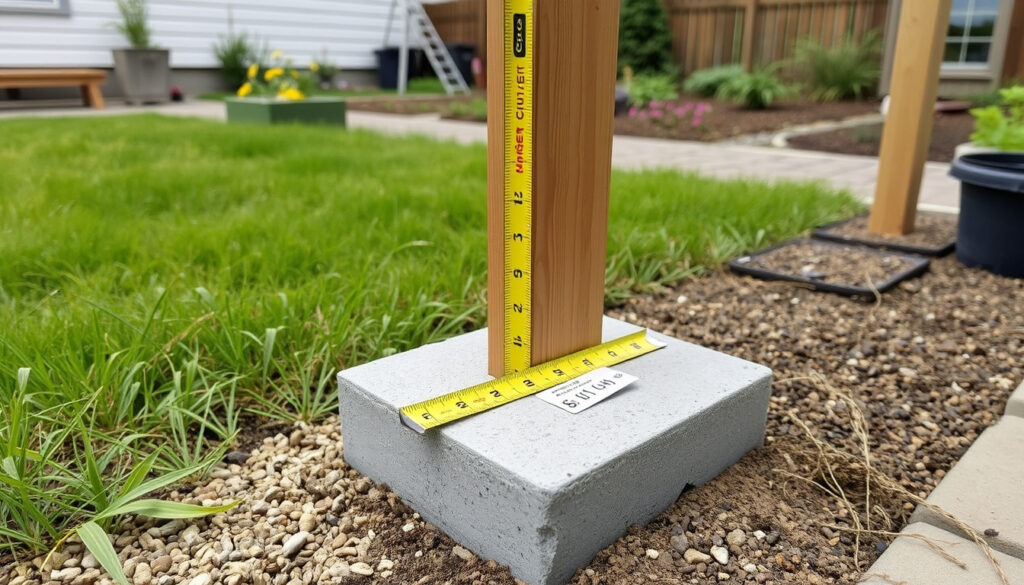
6 Inch Gravel Boards Near Me: Prices, Sizes & Installation Guide
If you’re fencing a garden in Ireland, the ground stays damp for months — gravel boards are the simple fix that keeps fence panels off wet soil and adds years to your boundary. Local prices, concrete vs timber comparisons, and step-by-step fitting advice below make it easier to find cheap 6 inch gravel boards near you without guesswork.
Typical size (height): 6 inches · Common length: 1.8m (6ft) · Material options: Concrete, Wood, Plastic · Average cost per board: €15 – €30 · Concrete lifespan: 20+ years · Wood lifespan: 5–10 years (treated)
Quick snapshot
- Average €15–€30 per 1.8m board (B&Q Ireland)
- Sold at B&Q, Selco, Brooks, local builders’ merchants (GetLocal.ie)
- Cheapest options on DoneDeal and local ads (DoneDeal)
- Concrete: durable, rot‑proof, heavy, harder to cut (Ballyfree Garden Sheds)
- Timber: cheaper, lighter, needs treatment, shorter lifespan (Homebase Ireland)
- Slot into concrete posts or nail to timber posts (Stone & Mac)
- Leave a 2‑inch gap, then backfill with gravel or concrete for stability (Paving Expert)
- Concrete: 20+ years, no maintenance; timber: 5–10 years, treat every 2–3 years (DIY Doctor)
- Plastic: 15–20 years, UV‑resistant, less common in Irish stores (Which?)
Here is the quick-reference version of the headline numbers.
| Label | Value |
|---|---|
| Average cost (1.8m concrete) | €19 – €29 |
| Common height | 6 inch (150mm) |
| Heaviest material | Concrete (approx. 20–25 kg per board) |
| Best for rot resistance | Concrete or plastic |
| Installation time per board | 15–30 minutes (with post already set) |
| Typical thickness | Concrete 45–50mm; timber 21–47mm |
How much do gravel boards cost?
Gravel board prices in Ireland vary by material, finish, and supplier. Concrete boards are the most common and typically run between €15 and €30 per 1.8m length. Below are real listings from Irish suppliers.
Average prices for 6 inch concrete gravel boards
- Ballyfree Garden Sheds (Co. Wicklow) lists concrete gravel boards at about €17.50 to €27.50 per board, depending on finish and size.
- Irish Building Supply sells a concrete gravel board at €22.90 including VAT (Irish Building Supply).
- McCarthy’s Tramore has a rockface concrete panel (1800mm × 300mm) at €27.50 (McCarthy’s Tramore).
- B&Q Ireland offers a grey concrete gravel board at about €20.
- Homebase Ireland lists a gravel board product at €7.20, though availability may vary by store.
Price differences between concrete and timber gravel boards
Timber boards are cheaper upfront — pressure-treated wood boards at B&Q Ireland run €8 to €10 for a 1.83m board. But concrete boards outlast wood by two to three times, making the higher initial cost worthwhile over a decade.
Where to find cheap 6 inch gravel boards near me
Local ads on DoneDeal and Facebook Marketplace sometimes have used or surplus boards at half the retail price. Aggregator sites like GetLocal.ie show a concrete gravel board 1.8m at €23.64 from Brooks Online. Bulk buys from builders’ merchants (e.g., Brooks, Tippers) can also reduce per‑board costs.
A €20 difference per board adds up to €200 for a 10‑panel fence. Concrete’s 20‑year lifespan means you save that cost in replacement wood and labour over time.
The pattern: concrete is a bigger upfront investment but a clear winner on total cost of ownership for any fence that will stay in place more than a decade.
What sizes do gravel boards come in?
Gravel boards are sized to match standard fence panels. The most common height is 6 inches (150mm), but you’ll also find 3 inch and 9 inch options for different ground levels.
Standard heights: 3 inch, 6 inch, 9 inch
- 3 inch (75mm) — used where the ground is already high or as a trim.
- 6 inch (150mm) — the standard for most residential fences in Ireland (Tippers 6 inch board).
- 9 inch (225mm) — for sloping ground or extra protection against rain splash.
Common lengths: 1.2m, 1.8m, 2.4m
Lengths match standard fence panel widths. The 1.8m (6ft) board is by far the most common. B&Q Ireland’s concrete board measures 1.83m length × 140mm height × 45mm thickness. Hermeq supplies timber boards in longer lengths up to 4.8m for custom builds.
Thickness variations for concrete vs timber
Concrete boards are typically 45–50mm thick, making them heavy and rigid. Timber boards are thinner and usually range from 21mm to 47mm, which keeps them lighter and easier to handle.
Two common sizes, one pattern: concrete boards are thicker and heavier, timber boards are slimmer and easier to handle. The choice depends on whether you value longevity or ease of installation.
A 6ft concrete board weighs about 20–25 kg — you’ll need a helper or a wheelbarrow. A timber board of the same length weighs under 10 kg and can be carried by one person.
The implication: if you’re fitting alone, timber boards are more manageable. For a permanent, low‑maintenance fence, concrete’s extra weight is a one‑time inconvenience.
Which is better, concrete gravel boards or wooden gravel boards?
This is the central question for anyone buying gravel boards. The answer depends on your budget, your climate, and how long you plan to stay in the house.
Here is how the three materials stack up on the numbers that decide a fence purchase.
| Material | Upfront cost | Lifespan | Maintenance | Weight |
|---|---|---|---|---|
| Concrete | €15–€30 | 20+ years | None | 20–25 kg per 1.8m board |
| Timber | €8–€10 (treated) | 5–10 years | Treat every 2–3 years | Under 10 kg |
| Plastic/composite | Limited Irish stock | 15–20 years | UV-resistant, minimal | Light |
Durability and lifespan comparison
Concrete boards last 20+ years with zero rot. Timber boards, even pressure‑treated, typically need replacement every 5–10 years because ground moisture eventually gets to the wood (DIY Doctor).
Cost‑benefit analysis
Over 20 years, a concrete board (€20) costs €1 per year. A timber board (€8) that needs replacing twice costs €1.60 per year — plus the labour of replacement. Concrete wins on lifetime cost if you factor in the hassle.
Ease of installation and replacement
Timber boards are lighter and easier to cut with a handsaw. Concrete boards require a diamond blade in an angle grinder. But concrete boards don’t rot, so you won’t need to replace them.
Upsides
- Concrete: rot‑proof, strong, 20+ year lifespan
- Timber: cheap, light, easy to cut and install
Downsides
- Concrete: heavy, needs power tools to cut, harder to find in small quantities
- Timber: rots in 5–10 years, needs sealing every 2–3 years
The catch: concrete is the superior material for longevity, but its weight and cutting difficulty push many DIYers toward timber. For a fence you plan to keep for 20 years, concrete is the better investment.
How do you attach a gravel board?
Fitting a gravel board is straightforward once the fence posts are in. The method depends on whether your posts are concrete or timber.
Tools and materials needed
- Gravel boards (concrete or timber)
- Spirit level
- Hammer or drill
- Masonry nails (for concrete posts) or screws (for timber posts)
- Cleats (small blocks of wood) if using timber posts (Hermeq Ireland)
- Gravel or concrete mix for backfilling gaps
Attaching to concrete fence posts
Concrete gravel boards are designed to slot into pre‑cast grooves in concrete fence posts. Simply slide the board in from the top until it sits level. If your posts don’t have grooves, use masonry nails to fix the board to the post face.
Attaching to wooden fence posts
For timber posts, nail or screw a cleat (a small block of wood) to each post at the desired height. Then fix the gravel board onto the face of the cleat with nails or screws (Hermeq). This keeps the board off the ground and allows air circulation.
Filling gaps under the gravel board
After the board is fixed, backfill any gaps underneath with gravel or a small concrete mix. This prevents the board from shifting and stops weed growth. Stone & Mac, a North Dublin fencing installer, offers free site visits and can advise on the best fill material.
- Set and level your posts first, with spacing matched to the board length.
- Fix cleats to timber posts, or use the grooves/masonry nails on concrete posts.
- Slide or nail the gravel board into position and check it with a spirit level.
- Leave a 2-inch gap between the bottom of the board and the soil.
- Backfill the open gap with gravel or a small concrete mix.
“Gravel boards are installed between fence posts so the timber fencing panel does not touch the ground.”
— Hermeq Ireland, timber supplier
“Our team handles the entire fitting process for a secure, straight, and level result.”
— Stone & Mac, garden fencing specialist
The takeaway: the trick is to keep the board 2 inches above the soil line. That gap, combined with backfilling, stops rot and keeps the board stable for decades.
How long do gravel boards last?
Lifespan is the number‑one factor in choosing a material. Concrete and plastic boards last 20+ years; timber boards need swapping every 5–10 years even with treatment.
Lifespan of concrete vs timber gravel boards
Concrete boards do not rot, warp, or attract insects. They can last 20–30 years with no maintenance (DIY Doctor). Timber boards, even when pressure‑treated, show signs of rot after 5–7 years in Ireland’s damp climate.
Factors that shorten lifespan
- Direct contact with soil (burial accelerates rot)
- Poor drainage around the base
- Untreated timber or unsealed cut ends
- Heavy impact from lawnmowers or tools
How to stop gravel boards from rotting
For timber boards: use pressure‑treated wood, seal all cut ends with wood preservative, and keep the board at least 2 inches above the ground. For concrete boards: no action needed — they are rot‑proof. For plastic/composite boards: they are UV‑resistant and last 15–20 years, but are less common in Irish hardware stores (GetLocal.ie).
The consequence: choosing concrete means you’ll never have to dig out a rotting board again. For Irish homeowners, that peace of mind is worth the extra weight and cost.
Frequently asked questions
Are gravel boards necessary for a fence?
Yes, if you want to prevent fence panels from rotting. Gravel boards act as a barrier between the soil and the panel, stopping moisture wicking up into the wood. They also help keep the fence straight and level.
How deep should a gravel board be buried?
Gravel boards should not be buried. They should sit 2 inches above the soil to allow air circulation and prevent rot. If you need extra height, extend the board upward, not downward.
Can I paint or stain timber gravel boards?
Yes, timber gravel boards can be painted or stained with an exterior wood preservative. This extends their lifespan. Avoid painting concrete boards — they don’t need it and paint may peel.
Do I need a gravel board if I have concrete fence posts?
Concrete posts don’t rot, but the fence panels between them do. You still need a gravel board to keep the panels off the ground. Concrete posts often have slots that accept gravel boards directly.
What is the difference between a gravel board and a fence panel?
A gravel board is a solid strip (concrete, timber, or plastic) that runs along the bottom of a fence. A fence panel is the larger section of wood or composite that forms the visible barrier. The gravel board protects the panel from ground moisture.
Can I use paving slabs instead of gravel boards?
Yes, paving slabs can be used as a DIY alternative, but they are heavier and harder to cut precisely. They also don’t have the same structural fit as purpose‑made gravel boards, so they may shift over time.
How do I cut a concrete gravel board?
Use an angle grinder with a diamond blade. Score the line on both sides, then tap along the score with a hammer and chisel. Wear safety goggles and a dust mask — concrete dust is hazardous.
The takeaway: a gravel board is not an optional trim — it is the cheapest insurance a timber fence can get.
Related reading
- Gravel board installation guide – sizes and methods (Hermeq Ireland)
- 6 inch concrete gravel board – dimensions and compatibility (Tippers)
These are the two references most often cited by Irish suppliers and installers for sizing and fitting.
For any homeowner in Ireland planning a new fence, the choice between concrete and timber gravel boards comes down to a single question: are you building for the next 5 years or the next 20? If you’re staying put, concrete is the clear winner — it’s rot‑proof, maintenance‑free, and costs less per year over its lifetime. For renters or quick flips, timber is cheaper upfront and easier to replace. Either way, a 6 inch gravel board is a small investment that protects a much larger fence.
More related posts
 Spider-Man: Far From Home Cast, Box Office, and Tom Holland Facts
 Jumanji: Welcome to the Jungle: Streaming, Cast & Sequel News
 Who Won Big Brother 2025? Winners of Every Major Franchise
 FIFA Club World Cup Table 2025: Standings & Groups
 2025 Ballon d’Or Winner Ousmane Dembélé: Ceremony & How to Watch
 Phases of the Moon – 8 Stages and Cycle Timeline
 Man City vs Leicester City: Preview, Charges, Debt & Head-to-Head
 Wine Bar in Iceland – Top Reykjavik Spots and Tasting Tips