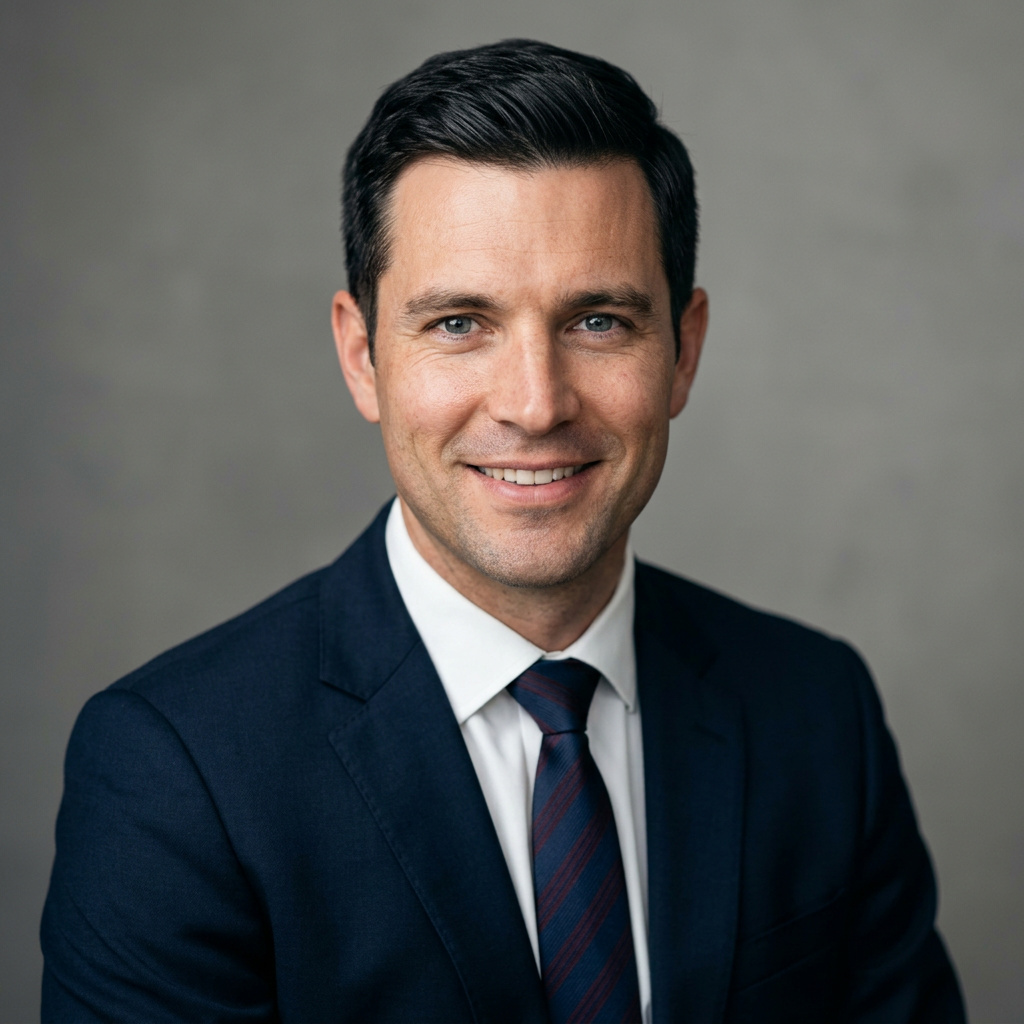
Mick McCarthy ‘It Can’: Meme, Keane Fallout, Career
A two-word clip from Mick McCarthy — “It can’t go on like this, can it? It can.” — refuses to die on football Twitter, but the same bluntness defined a much bigger moment: the 2002 Saipan fallout with Roy Keane that split Irish football in two. This is the story behind the quote, the feud, and the career that connects them.
Born: Barnsley, England, 7 February 1963 ·
Republic of Ireland caps: 57 ·
World Cup finals managed: 2002 ·
Premier League promotions as manager: 2
Quick snapshot
- The exact broadcast date of the original “It can” clip
- Whether McCarthy and Keane are friends today
- The exact platform where the meme first gained traction
- Whether McCarthy has ever publicly acknowledged the meme
- The meme resurfaces whenever McCarthy appears in media, especially podcasts (observed pattern)
- McCarthy’s most recent role was Blackpool manager in 2023 (BBC Sport)
A closer look at Mick McCarthy’s career stats.
| Label | Value |
|---|---|
| Born | Barnsley, England, 7 February 1963 |
| Playing position | Centre-back |
| Senior clubs | Barnsley, Manchester City, Celtic, Millwall |
| International caps | 57 for Republic of Ireland |
| Notable managerial roles | Republic of Ireland, Sunderland, Wolves, Ipswich, Cardiff, Blackpool |
| Key conflict | Roy Keane, 2002 World Cup |
Why did Roy Keane fall out with Mick McCarthy?
The falling out happened in the weeks before the 2002 World Cup, during Ireland’s training camp on the Pacific island of Saipan. Keane was unhappy with the standard of preparation — the facilities, the equipment, the overall organization — and he said so publicly. In an interview published in The Irish Times, he questioned whether everyone in the squad shared the same objectives and criticized the commitment of people around the team (ESPN).
McCarthy’s response set the confrontation in motion. He called a squad meeting and produced a printed copy of Keane’s interview. What followed became known as the Saipan incident: Keane launched a verbal attack on McCarthy so personal it ended his World Cup. As The Irish Times recorded, Keane said he did not rate McCarthy as a player, manager, or person, and told him to put the World Cup up his arse (The Irish Times).
Keane was sent home, Ireland played the tournament without him, and the two men became permanently linked in football memory.
What happened at the Saipan training camp?
- Keane criticized Ireland’s World Cup preparation in an interview (ESPN)
- McCarthy called a squad meeting and printed the interview (The Irish Times)
- Keane verbally attacked McCarthy in front of the squad (The Irish Times)
Keane himself later acknowledged that sending him home was McCarthy’s only realistic option. “A player could not speak to a manager in that manner and continue working under him,” he told the BBC in a 2002 interview (BBC Sport archive). That moment of self-awareness didn’t change the outcome: the relationship was broken.
Did the row affect Ireland’s 2002 World Cup?
Yes, and not just in the dressing room. The dispute dominated headlines before a single game was played, with Niall Quinn giving a press conference in Izumo to address the chaos (Irish Examiner). Ireland’s squad ultimately competed in Japan and South Korea without its best player, and the tournament became a footnote to the fallout.
When did Mick McCarthy say it can?
The exact broadcast that produced the “It can” clip isn’t confirmed in any reliable archive. What is known is the phrase itself — “It can’t go on like this, can it? It can” — and the way it spread online. Short-form video platforms and a podcast revisit kept the moment alive long after the original interview aired.
A manager famous for blunt honesty became an internet meme for delivering a sentence that is, on its face, completely circular.
What is the original ‘It can’ clip?
- The quote is a real McCarthy interview moment
- It was later described as a “now-legendary” football phrase on a podcast revisit
- No verified original broadcast date exists in the available record
The clip’s power comes from delivery. McCarthy’s flat, unimpressed tone turns “it can” into a deadpan punchline. Football fans edit the moment into compilation videos, and the two words function as a visual “that’s how it is” tag — no explanation required.
Why is the quote used as a meme?
Memes reward repeatable, recognizable phrases, and “It can” is both. It works as a response to bad decisions, referee errors, transfer sagas, or anything else where football chaos feels predictable. The clip’s brevity makes it perfect for TikTok and Reddit edits, where context comes from the caption, not the original interview.
The trade-off: the meme airlifts the quote out of its original context. Most people sharing “It can” don’t know what interview it came from. That’s fine for a meme, but it means the man behind it gets reduced to a catchphrase — which is ironic, because McCarthy’s actual legacy is much larger than two words.
What is Mick McCarthy doing now?
McCarthy’s most recent managerial job was at Blackpool, where he took charge in 2023. He has also worked as a pundit and podcast guest in recent years, which is how the “It can” clip found a second life. No source labels him as an active manager at a club, and his current professional footprint is centered on media appearances rather than a dugout.
Why this matters: McCarthy hasn’t disappeared, he’s just changed lanes. The same directness that made him a manager also makes him good television — and it keeps the “It can” clip circulating.
Who did Mick McCarthy manage in football?
McCarthy’s managerial career spans two decades and includes national-team duty plus multiple English clubs. Most of his roles carried one consistent theme: he inherited something broken and made it functional.
Republic of Ireland
- Manager from 1996 to 2002 (BBC Sport)
- Qualified for the 2002 World Cup (The Irish Times)
The Ireland job defined McCarthy’s public image. He took over in 1996 and steered the team through qualifying campaigns that ended with a trip to Japan and South Korea. The World Cup itself is remembered for Saipan, but the qualification was a genuine achievement — Ireland had not reached a World Cup since 1994.
Club management: Millwall, Sunderland, Wolves, Ipswich, Cardiff, Blackpool
- Began at Millwall in 1994
- Won the Championship title with Sunderland in 2004-05 (BBC Sport)
- Won the Championship title with Wolves in 2008-09 (BBC Sport)
- Managed Ipswich from 2012-2018
- Managed Cardiff in 2021
- Managed Blackpool in 2023
His two Championship titles are the standout numbers. McCarthy is one of a small group of managers who have achieved promotion to the Premier League more than once. The pattern: he gets a club to stop panicking, organizes the basics, and finds a way to win ugly. Not every club wanted that, and some fired him for it. But the list of teams he left better than he found them is longer than the list of failures.
The catch: McCarthy’s style works best in the Championship, where organization and physicality are currency. At Premier League level, the gap in squad quality becomes harder to close — and his record at the top tier reflects that ceiling.
Are Roy Keane and Mick McCarthy friends?
The public record defines the relationship through the 2002 Saipan conflict, not through confirmed friendship. Multiple searches ask whether the two have reconciled, but no reliable source has reported a formal reconciliation or a close friendship. The question persists because both men remain prominent in football media, and the 2002 incident is often revisited.
Have Roy Keane and Mick McCarthy reconciled?
No public reconciliation has been confirmed by either party. The available record only documents the 2002 dispute and subsequent separate careers.
Why does the question still surface?
The ongoing media presence of both men and the recurring meme keep the question alive. Whenever McCarthy or Keane appear in interviews or podcasts, the old footage and the meme resurface.
Timeline
- : Playing career at Barnsley, Manchester City, Celtic and Millwall
- : Managerial career began at Millwall
- : Manager of Republic of Ireland; qualified for 2002 World Cup
- : Saipan incident: Roy Keane leaves the Republic of Ireland squad before the World Cup (BBC Sport)
- : Sunderland manager; won the Championship title in 2004-05
- : Wolves manager; won the Championship title in 2008-09
- : Ipswich Town manager
- : Cardiff City manager
- : Blackpool manager
The timeline shows a man who kept working. McCarthy went from international football to the Championship grind without a gap because clubs kept calling. The “It can” meme is a late addition to that story, not the story itself.
Clarity check
Confirmed facts
- Mick McCarthy is a former Republic of Ireland manager (BBC Sport)
- Roy Keane left the 2002 World Cup squad after a dispute with McCarthy (ESPN)
- The phrase “It can’t go on like this, can it? It can” is a real viral quote
- McCarthy managed Blackpool in 2023 (BBC Sport)
What’s unclear
- The exact date and broadcast that produced the original “It can” clip
- Whether McCarthy and Keane are friends today
- What McCarthy’s full current professional role is beyond occasional media appearances
- The exact platform where the meme first gained traction
- Whether McCarthy has ever publicly acknowledged the meme
These facts and uncertainties frame the public understanding of McCarthy’s career.
Straight from the man
“It can’t go on like this, can it? It can.”
Mick McCarthy
“Some people can f*** off.”
Mick McCarthy
“A player could not speak to a manager in that manner and continue working under him.”
Roy Keane, speaking to BBC Sport in 2002 (BBC Sport archive)
The “It can” moment has been described as a “now-legendary” football phrase on podcast revisits of the clip.
Podcast editorial framing
Each quote captures a different facet of McCarthy’s persona: direct, unfiltered, and unapologetic.
Summary
Mick McCarthy built a long, respectable career on bluntness, and the internet turned the same personality into a meme. For football fans under 30, he is the man who said “It can.” For anyone who lived through 2002, he is also the man who sent Roy Keane home from a World Cup. Neither label captures the whole picture. For Irish football, the trade-off is clear: the bluntness that produced the meme produced the Saipan fight too — and the country is still reconciling with both.
Frequently asked questions
What does ‘It can’ mean in football memes?
The phrase works as a deadpan acknowledgment that something bad is happening and there’s nothing to do about it. Football fans use it as a reaction to predictable chaos.
Did Mick McCarthy play for Celtic?
Yes. McCarthy played for Celtic during his club career, adding to a senior playing career that also included Barnsley, Manchester City, and Millwall.
How many promotions has Mick McCarthy won as a manager?
McCarthy won two Championship titles as a manager: one with Sunderland in 2004-05 and one with Wolves in 2008-09.
Was the ‘It can’ quote from an interview or a podcast?
The original moment came from an interview, and the clip was later revisited on a podcast where it was described as “now-legendary.” The exact original broadcast date is not confirmed in the available record.
Why is ‘It can’ popular in football edits?
McCarthy’s flat delivery makes the phrase instantly quotable. The clip is short, repeatable, and fits perfectly into compilation videos and reaction content.
These answers clarify the most common questions about the man behind the meme.
More related posts
 Tommy Hilfiger Polo Shirt: Style and Design Guide
 Laser Eye Surgery Ireland: Costs, Age Rules & Suitability
 JJ Kavanagh & Sons: Buses, Routes, Toilets, Real-Time Tracking
 Santos FC Standings: Current Classifications & League Table
 HubSpot Discount Voucher Guide: How to Get & Create Codes
 Impetigo First Signs Pictures – Recognize Early Symptoms
 Dignity at Work Policy: Examples, Red Flags, and Key Principles
 Killeen Castle Golf Club – Solheim Cup Host Near Dublin