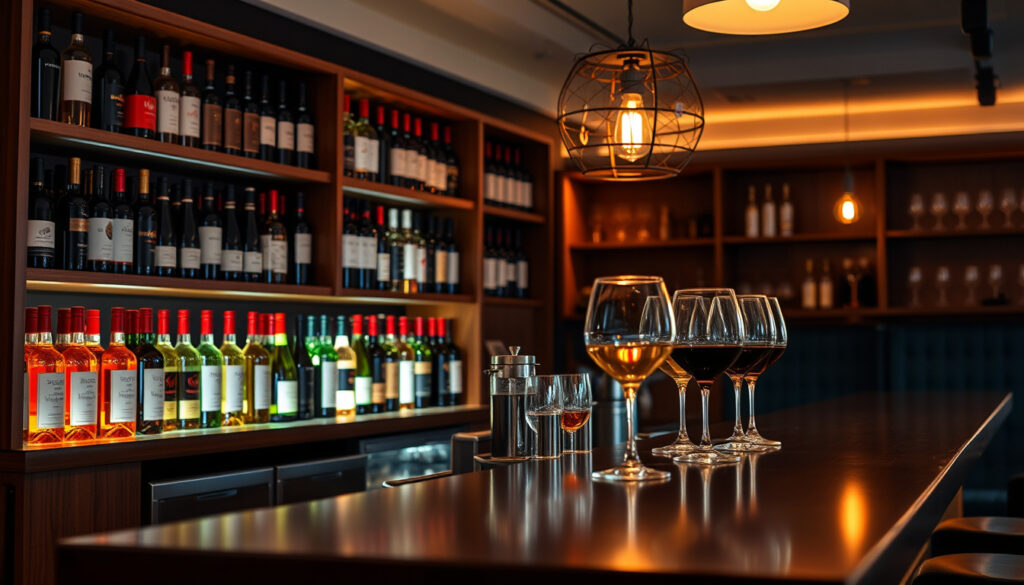
Wine Bar in Iceland – Top Reykjavik Spots and Tasting Tips
Iceland may not be the first destination that springs to mind for wine enthusiasts, yet Reykjavik has quietly developed a wine bar scene that rivals many larger capitals. Over the past decade, a handful of passionate importers, sommeliers, and hospitality professionals have transformed the city’s drinking culture, bringing natural wines, Old World classics, and organic selections to an audience that once had limited options beyond beer.
Visitors arriving in search of a wine bar in Iceland will discover venues that prioritize curation over volume, intimate settings over grand establishments, and thoughtful pairings that reflect both global traditions and local ingredients. Whether tucked away on a side street or overlooking a historic square, these spots offer something increasingly rare in modern travel: genuine character.
What Are the Best Wine Bars in Iceland?
When evaluating the best wine bars in Iceland, several venues consistently stand out across multiple platforms. These establishments earn praise for their wine selection, service, and the overall experience they offer to guests seeking quality over quantity.
Top Picks Overview
| Category | Recommended Venue | Specialty |
|---|---|---|
| Top Pick | Port 9 | Intimate candlelit setting with French and New Zealand selections |
| Budget-Friendly | Vínstúkan Tíu Sopar | Organic rotating wines with casual, homely atmosphere |
| View Spot | Vínstúkan Tíu Sopar | Outdoor area overlooking Parliament and Austurvollur Square |
| Tasting Hub | Skál | Natural wines, skin contact, and European pet nats |
Key Insights About Iceland’s Wine Bar Scene
- Most establishments cluster along Laugavegur and surrounding downtown streets, making walkability excellent for bar-hopping
- Ratings reach as high as 4.8/5 on Google and 5/5 on TripAdvisor for venues like Kramber and Uppi Winebar
- Natural wines and organic selections represent a significant portion of available pours, reflecting broader Nordic food trends
- Food pairings often feature local ingredients, including sea snails and the traditional spirit Brennivín
- Hidden gems like Port 9 on Veghúsarstígur require following signs but reward those who find them with an intimate living-room atmosphere
- Reservations are recommended for smaller venues with limited seating, some accommodating as few as twelve guests
- Affordable experiences exist despite Iceland’s general price level, particularly in venues with small-plate menus
Quick Reference: Reykjavik Wine Bar Snapshot
| Bar | Location | Focus | Notable Rating |
|---|---|---|---|
| Apéro | Downtown | Food pairings, relaxed vibe | Top Tripadvisor pick |
| Port 9 | Veghúsarstígur 9 | France, New Zealand, Old World | Hidden gem |
| Vínstúkan Tíu Sopar | Laugavegur 27 | Organic/sustainable global wines | 4.5/5 Tripadvisor |
| Kramber | Skólavörðustígur 12 | Bubbly, rich reds | 4.8/5 Google, 5/5 Tripadvisor |
| Terroir | Laugavegur 95 | Terroir-focused selections | Curated list |
| Uppi Winebar | Downtown | Extensive list, cocktails | 4.8/5 Google |
| Skál | Njálsgata 1 | Natural wines, pet nats | N/A |
Where to Find Wine Bars in Reykjavik and Iceland?
The geographic distribution of wine bars in Reykjavik reveals a clear pattern. Most venues concentrate in the downtown core, particularly along Laugavegur, the city’s main shopping and dining artery. This clustering allows visitors to explore multiple establishments on foot, often within a single evening.
Downtown Concentration
Laugavegur addresses like 27, 95, and 107 host several notable wine bars, including Terroir on Laugavegur 95, which emphasizes the concept of terroir—the sense of place that wine derives from its environment. The street’s central location means these venues sit within easy reach of hotels, restaurants, and major attractions.
Other downtown addresses worth noting include locations on Pósthússtræti, Aðalstræti near the old harbour area, Kirkjutorg, Týsgata, and Bergstaðastræti. Each offers its own character while remaining accessible to visitors staying in the city center.
Hidden Venues Worth Seeking Out
For those who appreciate discovery, two locations reward the effort required to find them. Port 9 operates from Veghúsarstígur 9, a side street where the entrance proves easy to miss on a first attempt. The venue describes itself as having a living-room atmosphere, with candlelit tables and carefully chosen wines from France and New Zealand.
Hidden wine bars like Port 9 often lack prominent signage. Visitors are advised to follow directions carefully, use mapping applications, or ask locals for assistance. These venues reward persistence with atmospheres that feel genuinely discovered rather than marketed.
Accessibility and Walkability
The compact nature of Reykjavik’s downtown core makes car-free exploration entirely feasible. Wine bars sit within short walking distance of each other, and the city’s flat terrain accommodates visitors of all mobility levels. The old harbour area, while slightly removed from the main commercial district, remains accessible via a pleasant fifteen-minute stroll along the waterfront.
What Is the Wine Scene Like in Iceland?
Iceland’s wine culture represents an unexpected chapter in a country more famous for its geothermal activity, Northern Lights, and outdoor adventures. The scene remains small by European standards—roughly ten to fifteen establishments operate in Reykjavik alone—but what lacks in quantity the venues make up for in character and curation.
Wine Selection and Imports
The selection available across Reykjavik’s wine bars reflects both global influences and specific importer preferences. Venues like Skál specialize in natural wines, bringing in skin contact bottles and European pét-nats—sparkling wines made using traditional Champagne methods. Meanwhile, French and Italian Old World selections appear prominently at venues focusing on classical traditions.
South American wines also feature regularly, particularly at venues like Bodega on Týsgata. The organic and sustainable movements have influenced many establishments, with rotating lists that emphasize environmentally conscious production without sacrificing quality.
The Evolution of Icelandic Wine Culture
The current wine scene traces its growth to the 2010s, when regulatory changes and growing tourism created conditions favorable to specialized hospitality. The lifting of earlier beer restrictions opened space for broader experimentation in alcohol service, while visitors from wine-drinking cultures created demand for more sophisticated offerings.
Iceland’s wine culture developed later than most European capitals due to historical restrictions and the country’s traditional focus on spirits and beer. The current scene represents a deliberate cultivation of quality over the past fifteen years, with sommeliers often trained abroad and importers maintaining direct relationships with producers.
Best Wine Tasting Experiences at Iceland Wine Bars
Wine tasting in Iceland offers experiences that differ from conventional wine tourism. The intimacy of small venues, the knowledge of dedicated staff, and the novelty of pairing European wines with local ingredients create memorable encounters for visitors willing to engage with the scene.
By-the-Glass Options and Tasting Flights
Several venues offer tasting formats designed for exploration. The venue on Bergstaðastræti features Champagne and Cava by the glass, allowing guests to experience sparkling wines without committing to a full bottle. Vínstúkan rotates its selection regularly, presenting different regions and styles with each visit. Skál and Bodega provide natural wine options for those seeking minimal-intervention productions.
Bottle-sharing remains common, with venues maintaining curated lists rather than exhaustive cellars. This approach encourages conversation between guests and staff, transforming each visit into an educational experience.
Food Pairings and Local Flavors
Food offerings at wine bars complement rather than dominate the experience. Apéro receives particular praise for its incredible plates, while Terroir emphasizes honest dishes that pair thoughtfully with their carefully selected wines. One venue has earned recognition for its sparkling program, with sea snails emerging as a local favorite pairing.
Visitors seeking authentic Icelandic pairings should consider trying Brennivín—the traditional caraway spirit—at venues like Skál. This combination of local spirit and natural wine reflects the creative approach Icelandic establishments take toward their beverage programs.
Affordable Options for Budget-Conscious Travelers
Iceland’s reputation for high prices extends to its wine bars, but affordable experiences exist for those who know where to look. Vínstúkan Tíu Sopar occupies a basement-style space that locals describe as having a friend’s living room feel, offering value alongside atmosphere. The food court setting at Skál provides another accessible entry point, with small-plate formats that allow sampling without significant expenditure.
Romantic Evenings and Special Occasions
Couples seeking intimate settings will find several venues suited to romantic evenings. Port 9 offers candlelit tables in its hidden location, while Uppi Winebar provides secluded booths ideal for conversation. Vínstúkan delivers intimacy with views over Austurvollur Square, and Litli Barinn offers a cozy alternative for date nights, though it leans more toward cocktails than wine.
How Has Iceland’s Wine Bar Scene Developed Over Time?
Understanding the timeline of Iceland’s wine culture helps contextualize the current scene. While comprehensive historical records remain limited, several phases mark the evolution from restricted alcohol laws to the curated wine bars visitors encounter today.
- Early twentieth century: Strict alcohol restrictions limit wine availability across Iceland, with beer banned entirely until 1989
- 1989–2000s: Gradual liberalization opens markets; beer legalization in 1989 marks a turning point for hospitality culture
- 2010s: Wine bar boom following regulatory easing; tourism growth creates demand for sophisticated offerings; natural wine movement influences importers
- 2022: Sparkling wine programs begin earning recognition in industry awards
- 2020s–present: Continued growth driven by tourism, with venues diversifying toward organic, sustainable, and locally-focused selections
What Is Confirmed and What Remains Uncertain About Iceland’s Wine Bars?
Transparency about what we know and what remains unclear helps visitors set realistic expectations while planning their wine bar visits in Iceland.
| Established Information | Uncertain or Unverified Details |
|---|---|
| Approximately 10–15 wine-focused establishments operate in Reykjavik | Exact current number may have changed due to openings or closures since last comprehensive survey |
| Venue locations cluster along Laugavegur, Aðalstræti, and surrounding downtown streets | Precise operating hours vary seasonally; confirmed current schedules require direct contact |
| Ratings from platforms like Google and TripAdvisor support the quality claims for venues like Kramber and Uppi Winebar | Specific price points for most wine offerings remain unreported in available sources |
| Natural wines, Old World selections, and organic options feature prominently across venues | Event programming and seasonal specials change frequently without centralized tracking |
| Port 9 and Vínstúkan Tíu Sopar offer distinctive outdoor or hidden settings | Blue Lagoon proximity claims are not verified; the spa sits approximately 45 minutes from Reykjavik and is not directly associated with wine bar scene |
Why Does Iceland’s Wine Scene Matter?
Iceland’s wine bar scene matters beyond mere novelty. The establishments represent a broader cultural development: a small capital city choosing quality over quantity, emphasizing curation over consumption, and building hospitality traditions that reflect both global wine culture and local identity.
For visitors, these venues offer an unexpected dimension to Icelandic travel. After a day of geothermal exploration or Northern Lights viewing, the warm interiors and carefully selected wines provide contrast to the country’s dramatic landscapes. The sommeliers and owners who built these spaces demonstrate that Icelandic hospitality extends beyond traditional expectations.
Sources and Visitor Perspectives
The information gathered reflects aggregated visitor reviews, travel platform data, and direct venue information. Sources include aggregated ratings from TripAdvisor and Google, as well as dedicated wine-focused publications and official tourism resources.
Apéro stands out as the top pick for travelers seeking excellent service paired with incredible food dishes in a relaxed downtown setting.
Port 9 feels like stepping into someone’s living room—warm, candlelit, and filled with wines that make you want to stay all evening.
Planning Your Wine Bar Visit to Iceland
Visitors interested in exploring Iceland’s wine bars should consider a few practical steps before arrival. Booking reservations for smaller venues with limited seating ensures access, particularly during peak tourism season. Checking opening hours directly with venues accounts for seasonal variations that centralized sources may not capture.
Those interested in pairing wine with local cuisine should research which establishments feature evolving kitchens versus static menus. The experience of drinking natural wine alongside traditional Icelandic ingredients like sea snails offers a uniquely local perspective that generic wine tourism cannot replicate.
For travelers seeking additional culinary adventures, exploring fried rice options at local establishments provides another avenue for experiencing Reykjavik’s food culture. Resources like Khao Pad Near Me – Best Thai Fried Rice Spots and Recipes offer guidance for those interested in expanding their dining horizons beyond traditional fare.
Frequently Asked Questions About Wine Bars in Iceland
How many wine bars exist in Reykjavik?
Available sources suggest approximately ten to fifteen wine-focused establishments operate in Reykjavik, though the precise number may vary as venues open or close.
Are wine bars in Iceland expensive?
While Iceland generally carries higher price levels than many destinations, wine bars offer varying price points. Venues with small-plate formats and casual atmospheres provide more accessible options compared to fine dining establishments.
Do wine bars in Iceland offer food pairings?
Many venues provide food pairings that complement their wine selections. Apéro receives praise for its food dishes, while Terroir emphasizes honest dishes that pair thoughtfully with their curated wines.
Can I find natural wines in Iceland?
Yes. Natural wines appear prominently across several venues, including Skál, which specializes in skin contact wines, pét-nats, and other minimal-intervention selections.
Are reservations required for wine bars?
Reservations are recommended for smaller venues with limited seating. Some intimate establishments accommodate only twelve guests, making advance booking essential during peak tourism periods.
What areas in Reykjavik have the most wine bars?
The downtown area, particularly along Laugavegur and surrounding streets, hosts the highest concentration of wine bars. The old harbour area also features several notable establishments within walking distance.
Is the Blue Lagoon near wine bars?
The Blue Lagoon spa sits approximately forty-five minutes from Reykjavik and is not directly associated with the wine bar scene. Most wine-focused establishments operate within the city center.
Do wine bars in Iceland have live music?
Live music and cultural events are not commonly associated with Iceland’s wine-focused venues. Nearby establishments like Ægir 101 and Litli Barinn offer more event-oriented atmospheres, but wine bars prioritize relaxed, elegant settings over entertainment programming.
More related posts
 National Bird of Ireland – Lapwing’s Unofficial Status
 Euro Sign on Mac: Option+Shift+2 Shortcut
 Jumanji: Welcome to the Jungle: Streaming, Cast & Sequel News
 Nottm Forest vs Fenerbahçe: Results, Prediction & Live (2026)
 18,000 Pounds in Euros: Live GBP to EUR Conversion
 Ireland v France Rugby: History, Players, and Match Facts
 Dublin Mail Centre Dublin 12 – Contact, Location & Tracking Help
 Joe and the Juice: Danish Expansion to Ireland & Oil Scandal