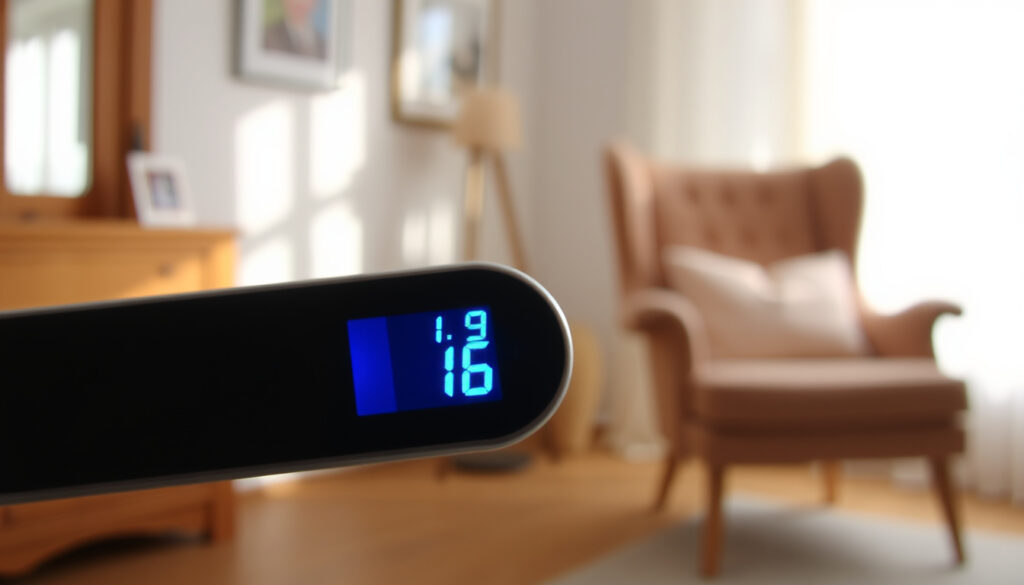
19 Degree Cel iu to Fahrenheit: Conver ion & Comfort
Few numbers prompt as many quick searches as a temperature in Celsius when you’re used to Fahrenheit. If you’ve ever wondered what 19°C actually feels like—or how to convert it in your head—this guide breaks down the exact math, the comfort factors, and what to wear, backed by official health and energy guidance.
19°C in Fahrenheit: 66.2°F ·
20°C in Fahrenheit: 68.0°F ·
Comfortable room temperature (Celsius): 20–22°C ·
Water freezing point (Celsius): 0°C (32°F) ·
Human body temperature (Celsius): 37°C (98.6°F)
Quick snapshot
- Exact formula: F = C × 9/5 + 32 (Farnell Temperature Calculator)
- Quick trick: double and add 30 (Farnell Temperature Calculator)
- 19°C = 66.2°F exactly (NASA AFRC Weather Conversion Chart)
- Cool to mild for most (U.S. Department of Energy)
- Sensation affected by wind, humidity, activity (EPA)
- Health factors can cause chill (NHS Keep Warm in Winter)
- Light jacket or sweater at 19°C (NHS Keep Warm in Winter)
- Layering key for changing conditions (UK Government Cold Weather Plan)
- Below 15°C need heavier coat (UK Government Cold Weather Plan)
- Ideal range 20–22°C (Wikipedia: Room temperature)
- Sleeping best at 18–20°C (Wikipedia: Room temperature)
- Adjust based on humidity and clothing (EPA)
Five reference points that help frame 19°C against everyday benchmarks:
| 19°C in Fahrenheit | 66.2°F |
| 20°C in Fahrenheit | 68.0°F |
| Comfortable room temperature (Celsius) | 20–22°C |
| Water freezes at | 0°C (32°F) |
| Human body temperature | 37°C (98.6°F) |
How do you convert C to F easily?
What is the formula for Celsius to Fahrenheit?
- The exact conversion formula is F = C × 9/5 + 32 (Farnell Temperature Calculator).
- For 19°C: 19 × 9/5 = 34.2, then + 32 = 66.2°F. This value is confirmed by NASA AFRC Weather Celsius-to-Fahrenheit chart.
- Multiply the Celsius temperature by 9/5.
- Add 32 to the result.
- This gives the exact Fahrenheit temperature.
What is the trick of doubling and adding 30?
A common shortcut: multiply the Celsius temperature by 2 and add 30. For 19°C, that gives 38 + 30 = 68°F — a quick estimate but 1.8°F above the exact value.
How accurate is the quick estimation method?
The shortcut works best for temperatures near 10–25°C, where the error stays within 2°F. At extreme ends — below freezing or above 35°C — the error grows. For most everyday purposes, the “double and add 30” method is a practical mental tool, but the exact formula remains the standard for science and engineering.
The shortcut overestimates by nearly 2°F at 19°C. That can matter when setting a thermostat or choosing clothing layers — a 2°F difference can shift a room from “comfortable” to “slightly warm.”
The implication: The double-and-add-30 trick works for everyday estimates, but for accuracy, use the standard formula.
Is 19 degrees Celsius warm or cold?
Why do I feel cold at 19 degrees?
- 19°C (66.2°F) is considered cool to mild by most standards.
- Individual perception depends on humidity, wind, activity level, and acclimatization (EPA Indoor Air Quality and Your Health).
- Health factors such as low body fat, anemia, or thyroid issues can make someone feel cold at moderate temperatures, according to NHS guidance on keeping warm in winter.
Do I need a jacket at 19 degrees?
- Many people feel comfortable in light layers at 19°C; some may need a jacket if inactive or in a drafty room.
- The UK Government Cold Weather Plan recommends layering as a practical strategy at cool indoor temperatures.
- If the room is still and dry, a long-sleeved shirt or light sweater may be sufficient.
The difference between “chilly” and “fine” at 19°C often comes down to two factors: your activity level and whether you’re sitting still. The same temperature that feels pleasant during chores can feel cold during a movie.
Is 20 degrees considered hot?
How warm is 20 degrees Celsius in Fahrenheit?
20°C is exactly 68°F — a 1.8°F difference from 19°C. The Newark Temperature Calculator confirms both conversions.
Is 20°C hot or cold compared to 19°C?
- 20°C is typically considered room temperature or slightly cool for indoor settings.
- Outdoors, 20°C with sunshine feels warm, but in shade or wind it can feel cool.
- The 1.8°F difference is noticeable: people who feel comfortable at 19°C may reach for a second layer at 18°C, and shed one at 20°C.
What is 20 Celsius in Fahrenheit?
20°C = 68.0°F. This is the lower end of the comfortable room temperature range recommended by Wikipedia’s room temperature article and aligns with U.S. Department of Energy thermostat guidance for waking hours in winter (68°F).
Six common temperatures, one pattern: each 1°C step equals 1.8°F, and the “feeling” shifts from brisk to mild as you cross 20°C.
| Celsius | Fahrenheit | Typical feeling |
|---|---|---|
| 15°C | 59°F | Cool, jacket required |
| 18°C | 64.4°F | Brisk, light jacket optional |
| 19°C | 66.2°F | Cool to mild, sweater weather |
| 20°C | 68°F | Mild, comfortable with light layers |
| 22°C | 71.6°F | Warm, short sleeves common |
| 25°C | 77°F | Warm to hot, summer comfort |
The “typical feeling” column assumes still air and low humidity. Add wind or high moisture, and 20°C can feel significantly cooler than the number suggests — the EPA notes that humidity alters perceived temperature.
The pattern: The 1.8°F difference between 19°C and 20°C is small but can tip a room from “needs a light jacket” to “comfortable in short sleeves.”
What is a comfortable room temperature in Celsius?
What is the ideal temperature for sleeping?
- The generally recommended comfortable room temperature for sedentary indoor activity is 20–22°C (68–72°F) (Wikipedia: Room temperature).
- For sleeping, a slightly cooler temperature of 18–20°C (65–68°F) is often advised.
- The NHS recommends a minimum of 18°C for healthy adults; WHO Housing and Health Guidelines support similar thresholds.
Does comfortable room temperature vary by season?
- Yes. In winter, the U.S. Department of Energy recommends setting thermostats to 68°F (20°C) when awake and lowering them when sleeping or away.
- In summer, people often tolerate and even prefer higher indoor temperatures, especially with air movement.
- Personal comfort also depends on clothing: someone wearing a sweater at 19°C may be comfortable, while a person in short sleeves may feel chilly.
The pattern: The ideal room temperature is not fixed — it shifts with season, activity, and clothing. For most, 20°C is a safe baseline; adjust by a degree or two based on comfort.
Which coats to wear at which temperature?
What kind of jacket is appropriate for 19 degrees?
- At 19°C (66°F), a light jacket, sweater, or hoodie is often sufficient (NHS layering guidance).
- A denim jacket or a knit cardigan provides the right insulation for indoor settings or a mild outdoor stroll.
- If you’re active (walking briskly, cleaning), a long-sleeved shirt may be enough.
How do wind and rain affect coat choice?
- Wind can drop the perceived temperature by several degrees, making 19°C feel like 12-15°C.
- Rain or high humidity makes the same temperature feel colder because water conducts heat away from the body.
- In damp or breezy conditions, a windbreaker or light waterproof shell over a sweater is a smart choice.
What is the best clothing for 10–20°C?
- Below 15°C (59°F), a mid-weight coat or insulated jacket may be needed.
- Between 15°C and 20°C, layering is recommended for variable conditions — a T-shirt under a flannel shirt or light sweater can be adjusted throughout the day.
- The UK Government Cold Weather Plan emphasizes keeping indoor spaces at least 18°C for health, reinforcing that 19°C is a borderline where some may still need an extra layer.
The takeaway: At 19°C, clothing choice is less about the thermometer and more about wind, activity, and personal metabolism. A light layer is usually enough, but keep a sweater handy if you plan to sit still.
Confirmed facts vs. What’s still unclear
Confirmed facts
- 19°C equals 66.2°F (exact conversion, confirmed by NASA and Farnell).
- 20°C equals 68°F (confirmed by Newark Temperature Calculator).
- Standard comfortable room temperature is 20–22°C (Wikipedia).
- Water freezes at 0°C (32°F) (NASA AFRC Weather Conversion Chart).
- UK NHS recommends minimum 18°C for healthy adults indoors (NHS).
- U.S. DOE suggests 68°F (20°C) as a winter thermostat setpoint (Energy.gov).
- Humidity and wind alter perceived temperature (EPA).
What’s unclear
- Why some individuals feel cold at 19°C while others feel comfortable — depends on multiple personal and environmental factors (metabolism, body fat composition, acclimatization).
- The precise temperature cutoff for needing a jacket varies by activity, wind, and personal tolerance and has no universal standard.
The pattern: The confirmed facts provide a solid numeric foundation, but the unclear points remind us that comfort is deeply personal and context‑dependent.
Expert perspectives
Feeling cold disproportionately can be due to factors like anemia, hypothyroidism, or poor circulation. If you always feel cold at moderate temperatures, it may be worth discussing with a doctor.
Room temperature is generally defined as 20–22°C (68–72°F) for sedentary indoor activity. Temperatures outside this range can still be comfortable depending on humidity and clothing.
Wikipedia: Room temperature
The takeaway from these two sources is consistent: 19°C sits at the very edge of standard comfort ranges. For most people indoors, a small adjustment — adding a layer or warming the thermostat by 1°C — can tip the balance from “cool” to “comfortable.”
If you need to convert other measurements, check our guides: 5 Feet to cm: 152.4 cm Exact Height Conversion Guide and How Many KG in a Stone? Converter + NHS Charts.
For a similar breakdown at a slightly warmer temperature, check out this 20°C to Fahrenheit conversion guide for comfort tips at 68°F.
Frequently asked questions
What is 18°C in Fahrenheit?
18°C equals 64.4°F. It’s on the cooler side of comfortable — below the NHS minimum of 18°C for healthy adults.
Is 21°C warm or cool?
21°C (69.8°F) is generally considered a comfortable room temperature — warm enough for short sleeves for many people, especially with low humidity.
How do you convert Fahrenheit to Celsius?
The reverse formula is C = (F − 32) × 5/9. For example, 68°F becomes (68-32) × 5/9 = 20°C.
What temperature should I set my thermostat in winter?
The U.S. Department of Energy recommends 68°F (20°C) when awake and lowering it 7–10°F during sleep or when away to save energy.
Why does 20°C feel cold indoors but warm outdoors?
Indoors, still air and lack of direct sunlight make 20°C feel cooler. Outdoors, solar radiation and physical activity raise your perceived temperature.
What is the best temperature for a baby’s room?
The NHS recommends keeping a baby’s room at 16–20°C (61–68°F) and avoiding overheating. A room thermometer helps monitor it.
For anyone who has ever stood in front of the thermostat wondering why 19°C feels different every day, the answer is that the number is only half the story. Humidity, wind, activity, and your own body’s biology all play a role. The exact conversion to 66.2°F is simple, but comfort is personal. For the average person at home, the clearest advice is: dress in layers and keep the thermostat between 68°F and 72°F — and if you’re still cold at 19°C, a check-in with your doctor might be the smartest move.
More related posts
 Nottm Forest vs Fenerbahçe: Results, Prediction & Live (2026)
 EUR to UAH Exchange Rate Today: Banks & Exchangers Ukraine
 Listowel Races 2025 Dates – Schedule, Fixtures and Ticket Guide
 How to Cancel a Subscription on iPhone: Step-by-Step Guide
 Evaluating T Kenny Car Sales and Similar Dealerships
 Essential Italian Phrases for Travelers: A Complete Guide
 5 ft 5 in cm: Exact Conversion & Height Comparison Guide
 India vs South Africa Match Scorecard: Latest IND vs SA Result